I’ve been saying for decades that all schools should have gardens. Sure, they can be pretty with flowers and nice to stroll along the paths but that stereotypical thinking just demeans the potential of gardens in education. The lessons learned in a garden go far beyond the philosophical and poetic things that come to most peoples minds. Sure it would be lovely to have kids go to schools in beautiful surroundings but just looking isn’t enough. Kids have to get their hands dirty to learn…well, there’s a lot of stuff that doesn’t involve grovelling in dirt, too… There are activities that educators can integrate into the curriculum at all grades appropriate to all ages and abilities. No one needs to be excluded from gardening no matter their age or ability. Besides, it’s fun to learn how amazingly pretty vegetables can be! Take carrots for example, they make an amazing border edging for flower gardens (well any gardens actually), especially with alyssum in front of them to attract lacewings and other beneficial insects. And bean and pea flowers are beautiful, especially when grown on supports like tee-pees and arches over benches but on to other stuff.
The first part of curriculum that comes to mind is Science. Biology specifically. Plants grow, but being part of the how and why of it makes it real. And understanding that it’s not just the plants, it’s how they interact with bugs, birds and mammals is valuable, too. The other sciences come into play right away, too. Chemistry come into play not only in soil Ph and composition but in the plants themselves as well as why bugs are attracted to things and how to repel destructive bugs and animals while attracting beneficial bugs and critters (mammals as well as reptiles and amphibians). You build it and they will come. Physics of fluid movement in plants and soil and just getting loads around the garden (leverage and wheels come readily to mind). Even engineering fits in with how to manage an irrigation system, whether it’s just a hose, pipes and emitters, ditches or a waffle garden the options are numerous and interesting depending on the location. If you have reliable rain consider yourself fortunate.

Math! Learning about Fibonacci in a garden, what could be more delightful? Besides, you need to know how deep to plant seeds, how far apart to plant and how large they are expected to grow so you can place them appropriately so not only do they not crowd each other but the tall plants don’t shade smaller plants…unless you want them protected from the sun. Graphs, measuring and timing are just the beginning of the garden things that involve math. Where to place beds, walks, sheds, trees and shrubs, expected first and last frost dates, crop yields…these are all basic math things any curriculum can use to enrich and drive home lessons as well as making math relevant to everyday life and possibly even leading to lucrative careers later in life.
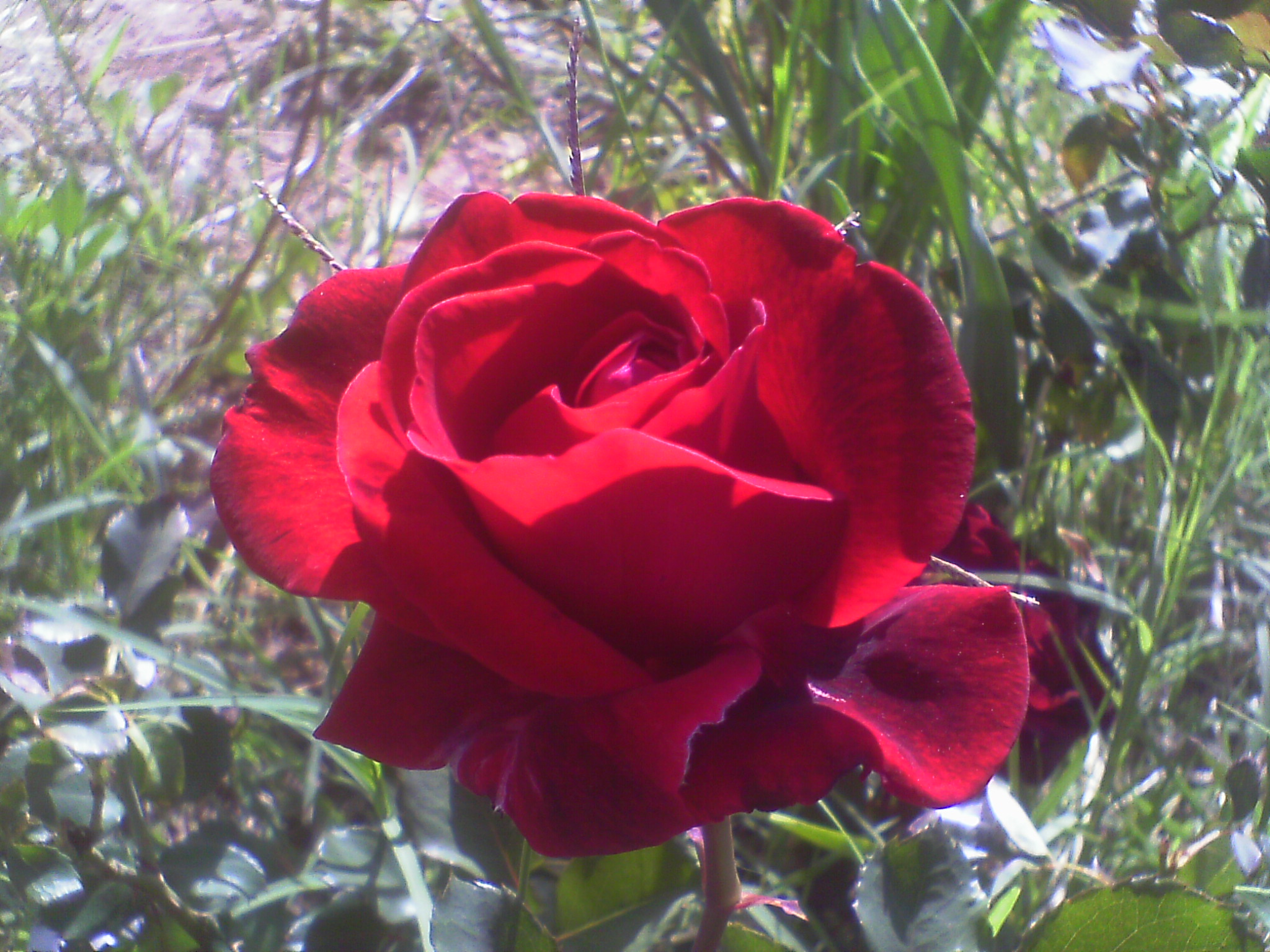
Language arts in the garden. A rose by any other name… So much reading is involved! Language classes such as reading are enriched when students research plants and how they’re grown and how they’re used. You need to be able to find things out so being able to navigate a library as well as the internet effectively is valuable. To do that you need to read. The reading part goes beyond just basic reference, though, as there are so many stories/novels/poems involving not only gardens but everyone and everything that visits or lives in them in both fiction and nonfiction. Once you’ve got them reading the writing happens, too. Keeping notes about the garden turns naturally into journaling and then essays, short stories, poetry, reports and longer writing projects can be integrated into classes for all ages. Foreign languages offer expansion on all of this in their classes, too.
History and geography are a natural progression from language arts. Who ate and used what plants when, where, how and how did it affect social issues not only in everyday life but also commerce, migration and war (Irish potato famine being just one extreme example). So where did tea/potatoes/bananas etc come from? When did our ancestors start using them? When did carrots start being orange instead of yellow, white and purple? When and how did they travel the world? How were they used at different times and what beliefs did people hold concerning some plants? Does the Language of Flowers belong in Social Studies or in Language Arts? It’s interesting to see how people farmed (crop rotations is not a new idea) and what did gardens look like in different times and places?
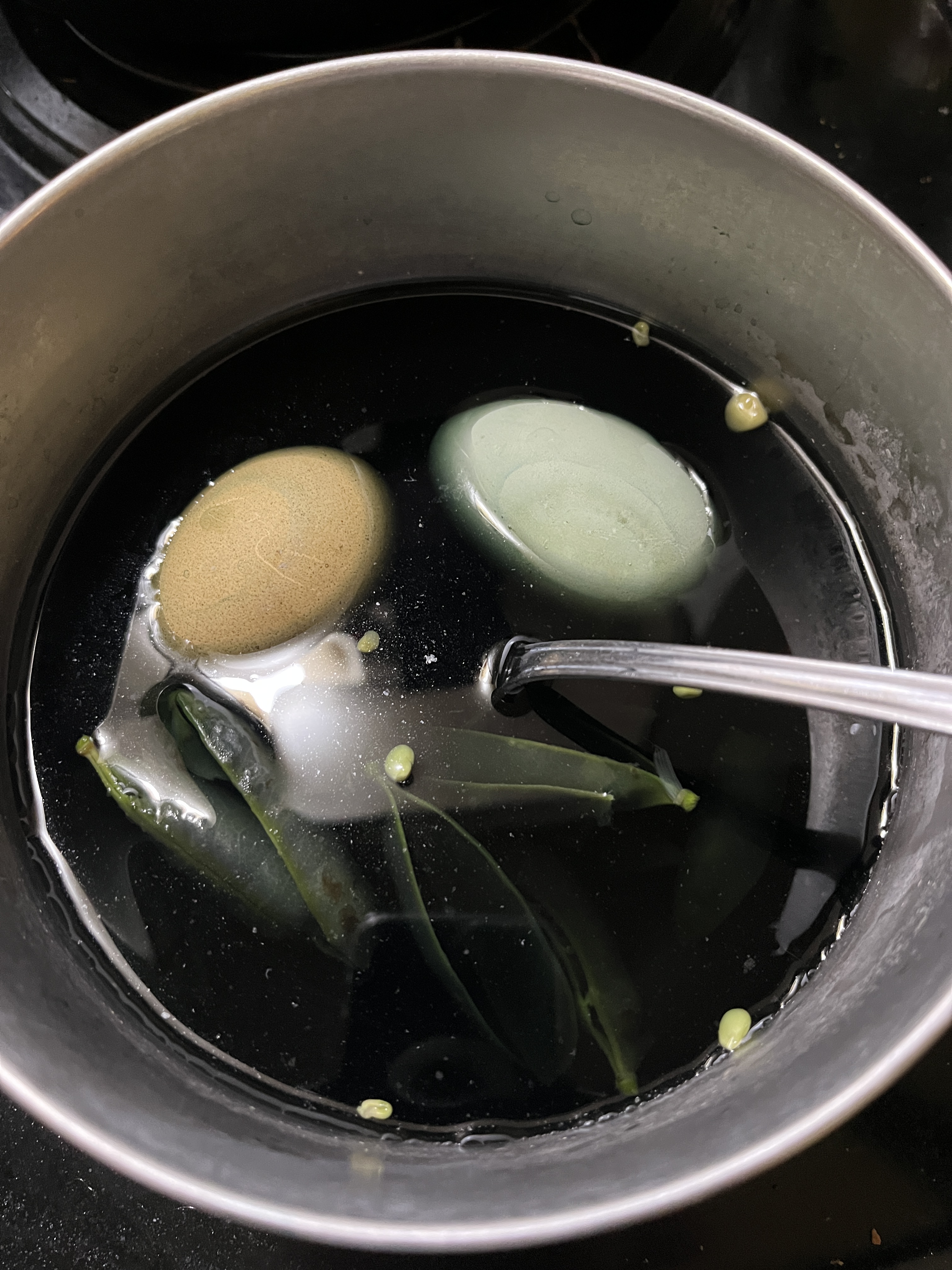
Home Economics and Shop: Cooking, cleaning, dyes, fibres, nutrition and other useful household things from plants. Building and making things for the garden, whether it’s simple raised beds, tools, sheds, benches and tables, ramadas for shade. Fishponds or more complicated aquaponics or hydroponics (where we again get into chemistry and physics) can even be incorporated into the garden so there’s so much potential here. It’s Easter season so I’ve experimented with dying eggs with purple pea pods.
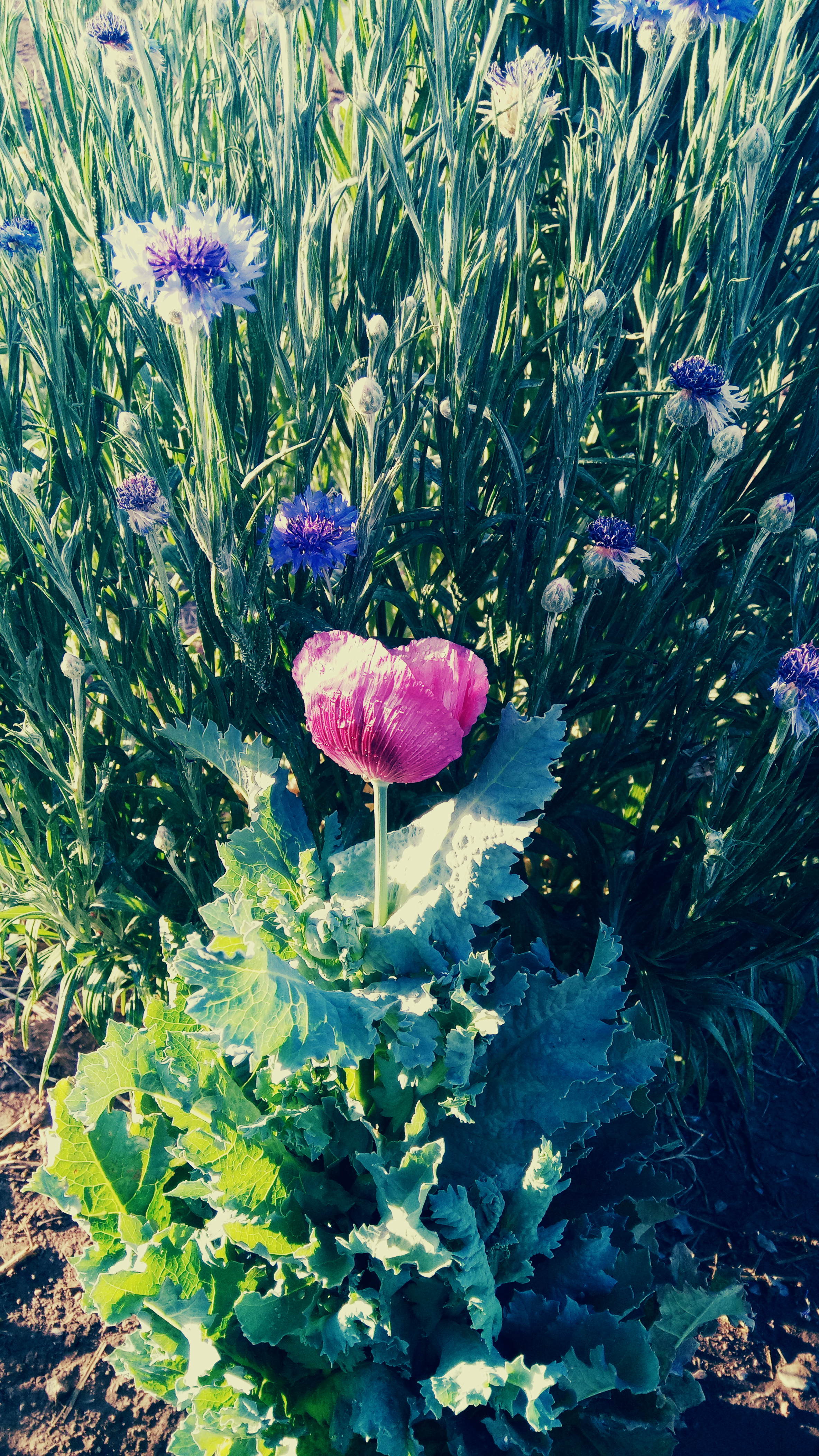
Art: sketching, painting, photographing and sculpting can be used to document the gardening experiences and the garden can inspire creative exploration of these skills as well. You don’t have to be good at it, as long as you enjoy it and are exposed to different things you can find a way to be adequate enough to incorporate art into your daily life in useful ways and maybe some people will find their way into careers but being able to incorporate art skills into life is a good thing no matter what.
Music: Interesting things to listen to while gardening, how does music affect plants and how are students inspired musically (as was Beethoven) by nature are just the beginnings of how gardens can be integrated into music classes. Some people have even made instruments out of vegetables!
Phys Ed: With all the moving you do to work a garden this is the perfect place to learn how to do it without getting hurt. Not just in the immediate sense of maybe not dropping a shovel on your toe or lifting too much weight but how to make the most from your time in the garden, stretching before, during and after to prevent damage. How to move properly to avoid repetitive movement injuries. How to lift, climb and work safely for today as well as the long run. Then there’s the opportunity to do laps around the garden, Yoga or Aikido on the lawn, rock climbing if you have the room for it on a well designed structure that’s beautifully integrated into the landscape.
And that’s just the outside opportunities. While aquaponics and hydroponics are generally considered indoor or at least garage projects there are all kinds of activities to bring into the classroom with container gardening so even in urban schools and places where outside gardening is limited by climate it can be done. The health benefits of indoor plants has been established, not to mention the benefits of growing edible things inside. Tomatoes in large pots surrounded by carrots and onions is surprisingly decorative. Peas growing up teepee stakes with lettuces at their base is pretty, too.

Of course the curriculum should lean heavily away from using insecticides and pesticides that could harm children. This is another area for chemistry classes. Starting with good compost for healthy soil it’s easy to avoid expensive industrially produced fertilizers and local stables or stockyards might be happy to contribute to the project. With ladybugs, lacewings and mantis eggs among the readily available organic options for pest control you can get a decent harvest. Learning which bugs are good is important. Ladybug larvae look REALLY scary but they aren’t harmful to us and will devour tons of aphids. Ants aren’t usually to be feared with the exception of fire ants. Generally ants provide a service aerating the soil. If the birds and good bugs don’t manage to control the hornworms and other crawlies there’s always Bt (a good bacteria that messes up their digestion) as well as hand-picking as a last resort. The crawlies won’t hurt kids and learning to overcome fears and grossness is part of a well-rounded education. With the kid power readily available in the student population herbicides shouldn’t be necessary. Just learn how to tell the weeds from the crops and flowers and start pulling. They’ll have a good compost pile going in no time and if they have chickens as part of the food cycle (no, they don’t eat the chickens! They eat the eggs!) the chickens can eat the weeds and save a bit on store-bought chicken feed. The stuff the chickens leave behind (poop, not eggs) is invaluable in the compost heap. Helpful hint: you don’t need roosters to make eggs, hens will make eggs no matter what. You just need roosters if you want chicks from the eggs.
Many schools have 4-H and FFA (Future Farmer of America) programs that can both help with and benefit from all of this, too. With more interest in suburban and urban gardens and farming as well as backyard and container gardening who knows what careers the students of today could make for themselves in farming and nutrition as well as all the STEM (Science, Technology, Engineering and Math) areas we need in the future. Being able to create an Eden in the yard to come home to no matter what careers we go into could be just the least of the useful and pleasant outcomes.
 Brielle's Avalon
Leave a comment