Posted by: briellethefirst | August 15, 2011

Mustard


Mustard seed

Mustard seed

Both black (Brassica nigra) and white or yellow (Brassica hirta) mustard can be grown in your garden and prepared in your kitchen. They’re related to cabbage, cauliflower and broccoli and have the same needs and pests. The flower stalks can grow as high as your head, so keep this in mind when placing it in your garden. Harvest the seeds when the pods are tan and dry. I only grew it once because I found out that when I harvest it my hay fever acts up something fierce! Unfortunately I didn’t get pictures of the plants, but they bear a striking resemblance to radishes when they flower.
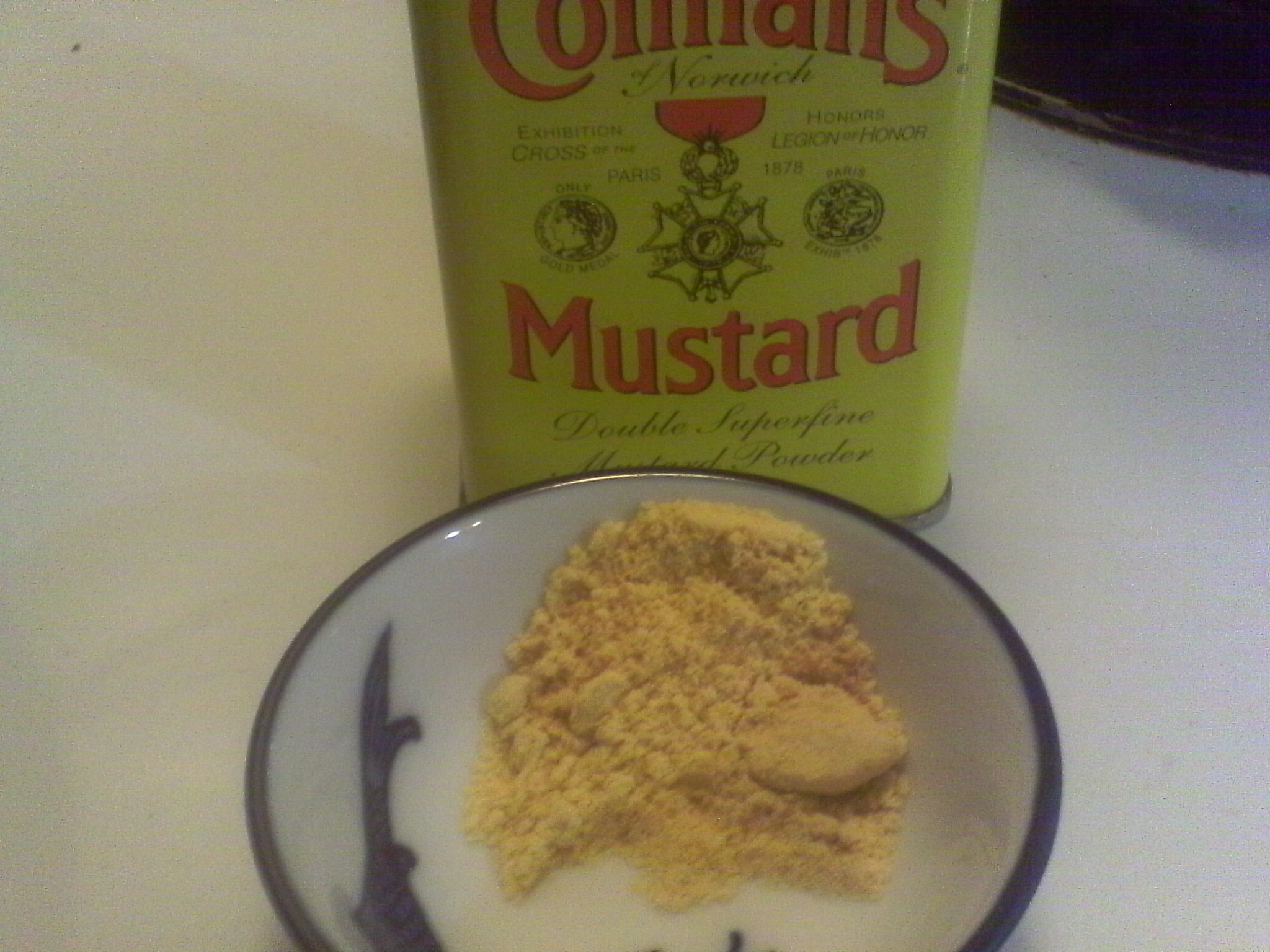
Powdered mustard

Powdered mustard

Mix powdered or coarsely ground black and/or white seeds with various liquids and herbs to make the familiar condiment. Use whole or ground seeds in sauces, cheeses, dredging flour and vegetables. Use whole seeds pickles, relishes, sausages and various types of vinegars. The young leaves can be used in salads or cooked like spinach.

Some of the liquids used to prepare mustard are wine, juice, vinegar, water, beer and sherry. Ground herbs including turmeric, paprika, saffron, garlic, onion and horseradish are used as well as honey, oil, sugar and salt. Turmeric gives hot dog mustard its bright yellow colour.

To mix your own start with 1/4 c ground mustard seed to about 3 Tbsp liquid. Mix in a mortar and pestle if you have one, but if you don’t you can use a bowl and spoon. Add herbs, honey and liquid to taste. Be careful adding liquid, it’s easier to thin the mustard than to thicken it. Black mustard is stronger than white mustard and horseradish heats it up, too. Oil, sugar and honey help tone the heat down. Experiment in small batches until you find a few mixtures you like and store in jars in the fridge.

Mustard has been used medicinally in plasters, baths and alcohol rubs for headaches, rheumatic complaints and colds among other things but be careful because too much for too long can irritate and even burn the skin.

Posted by: briellethefirst | August 14, 2011

Hot Dogs And Other Sausages


Yet another single-handed cooking experiment pans out. So, while my shoulder heals I’m still watching for ways to cook with one hand…who knows, I may need it again. My grandkids really like hot dogs, even though I’ve usually outgrown them. They’re cheap, easy, filling and even a little nutritious. They’re made from all sorts of things: beef, pork, turkey, chicken and even more exotic things such as vegetables! The fillers and spices determine the kind of sausages in the package. Plain old hot dog, hot link, smoked sausage, bratwurst or whatever. Try a few and see what you like best if you haven’t already.

So…how to cook them? Easy. Boil them. 10 to 15 minutes in a pot of water should do. You could add beer, broth or wine depending on the kind of hot dogs or sausages you use. I usually spear them with a fork but it’s probably better to fish them out with a pair of tongs.

You can also pan fry them in a skillet. Put a little oil, butter or bacon fat in the skillet (just a touch, the sausages will render some of their own, too) and brown the hot dogs or sausages on all sides over medium heat.

Watch closely and brown them as much or as little as you like.

If you aren’t going to serve them right away pour a little water, beer or broth in and hold on low or simmer. You might want to do this, anyway and use the liquid as sauce later, especially when it’s reduced a bit.

You can also grill them, watching carefully to make sure they don’t burn. A favourite method for kids (even the really big kids on the set Of Blood And Gin) is to use long metal skewers and hold your own over the fire to be done to perfection. You can also wrap each with biscuit dough and bake until the biscuit id brown. I’ve heard you can make a mini-solar oven from a chop can, but that’s another post.

Now, to serve them. First the bun. There’s the plain, white, generic hot dog bun, thousands sold every day. Whole wheat buns are nice, as are special cheesy or onion rolls. If you run out of buns you can fold a piece of bread around the sausage, or a tortilla. If you wrap them in a biscuit before baking you can skip this.

Once you have them safely nestled in some sort of carby bed you can fine tune your piece of culinary art with condiments. The usual suspects are usually found in the middle of the table: Catchup, mustard and relish. Some people use steak sauce, some salsa ans a few heathens even use mayonnaise! It’s up to you whether you put them on the sausage or on the plate and dip it in before you take each bite. Other common condiments include cheese, chopped onions, sauerkraut, chili (with or without beans, home-made or from a can), peppers (hot or mild) and pretty much anything you can think of. Some people skip the bun to save carbs and just eat with a knife and fork, but you can still dip each bite into your favourite condiment.

Serve with french fries, chips, potato salad, coleslaw, beans and any picnic food you can think of. Homemade ice cream is always wonderful to finish with, especially of topped with home-grown fruit or homemade caramel or fudge sauce.

Posted by: briellethefirst | August 12, 2011

It’s Hot Out! How ‘Bout a Drink?


Whew! Long day. Need something cool and fun. Ages ago I thought it’d be a good idea to buy frozen fruit cocktail…since the kids cleaned out the cans practically before I could put them away. The kids didn’t like the frozen. So there we were, on a hot day, trying to figure out what to do and how to cool off. Raid the fridge! Nothing promising…check the big freezer…jackpot! Frozen fruit salad! Make fruit slushies! Easy…

Grab the blender. If you don’t have one I’ll assume you aren’t married yet and since this is no reason for drastic measures, just run to the mall, big-box-store or favourite kitchen gadget shop. Read the boxes, find one that seems practical and not cheap but not expensive. I like my glass pitcher but a lot of people prefer plastic. Some people like knobs to turn, but I like buttons to push. Try to keep it simple, more options aren’t always a good thing. Pay for it, take it home and plug it in.

Open the bag of frozen fruit salad. Some brands may call it mixed fruit…same thing. It will probably have a blend of peaches, pineapple, strawberries, grapes  and maybe mango or some other fun fruit. Fill the blender loosely with the frozen fruit. Grab your bottle of rum and pour in a couple of ounces. This is a ‘to taste’ thing and completely optional. Skip it if you don’t like rum. Fill the blender with orange juice and whiz it into wonderful, smooth, yummy coolness. Pour into fancy goblets (it’s more fun that way).

If you make a couple of blenders-full for a mixed-age party be sure to label the over-21 pitcher and keep the over-21 drinkables where someone can keep an eye on them. At my sister’s wedding (once-upon-a-time) somehow the label on the punch…well…we ended up with some briefly silly kids…whoops! Quick switch.

If you want to use a single frozen fruit or buy individual bags of fruit to make your own custom blend (in case of allergies, perhaps) that’s a great idea. Try different kinds of juice or even lemonade, limeade or fruit punch instead of orange juice. If you want to try tequila instead of rum…you can do that, too. If you like that sort of thing, of course. Either way, it’s lovely to enjoy by the pool, next to the grill, in the garden or around the table with friends on any summer holiday. Have fun.

Posted by: briellethefirst | July 10, 2011

Fennel


Foeniculum vulgare looks a lot like dill and tastes like licorice. My Dad’s fennel grew bout 5′ tall. It’s easy to grow from seed, even in so-so soil, but plant it away from dill and other plants it could cross with (like anise, parsley or caraway) or it’ll cross-pollinate and the babies won’t taste or smell like either parent. It has gone wild in the abandoned garden on the west side of my house under my queen’s  bower vine so it does well with neglect in dry soil.

Fennel in the forgotten garden

Fennel in the forgotten garden

Fennel foliage

Fennel foliage

It has thready foliage, yellow flowers and is a perennial in many warm places but I always grew it as an annual. I don’t use fennel much outside of spaghetti sauce, so I don’t mind when it gets chomped on by the black and white or black and yellow caterpillars. They grow up into swallowtail butterflies and the fennel, dill, parsley and whatever usually recover, so I get double niceness with only putting up with a bit of down-time in the Umbelliferae plants. OK, the family’s been changed to Apiaceae, but I rather miss the other very descriptive family name. While caterpillars like fennel, apparently fleas don’t and powdered fennel is supposed to keep fleas out of kennels and stables. It’s worth a try, since it smells nice and shouldn’t hurt animals.

Fennel flowers

Fennel flowers

It is one of the primary ingredients of absinthe, along with wormwood but most people will be more familiar with its use in sauce for spaghetti and pizzas or at least in the sausage used in the sauces. If you find pretty tins of pastilles candies in rose, lavender and violet flavours the little white candies will each have a fennel seed in the middle. The seeds are also used in  breads and cuisines of India, China and the Middle East. Some varieties of fennel form a bulbous base that you can eat raw or cooked as a vegetable sautéed, stewed,  even grilled. Have fun playing with it, even if you try to photograph it in the wind with a shaky hand.

Seedhead ready to harvest

Seedhead ready to harvest

Posted by: briellethefirst | July 7, 2011

Paper Fans…A Forgotten Art?


Yet another sweltering summer and you forgot your fan…or lost it…or never had one to begin with. So until you find that way-cool cute/pretty/gimmicky/fancy fan you forgot or lost or while you’re getting around to choosing just the right one here’s a reminder of how to fold a paper fan like we did in school.

First fold

First fold

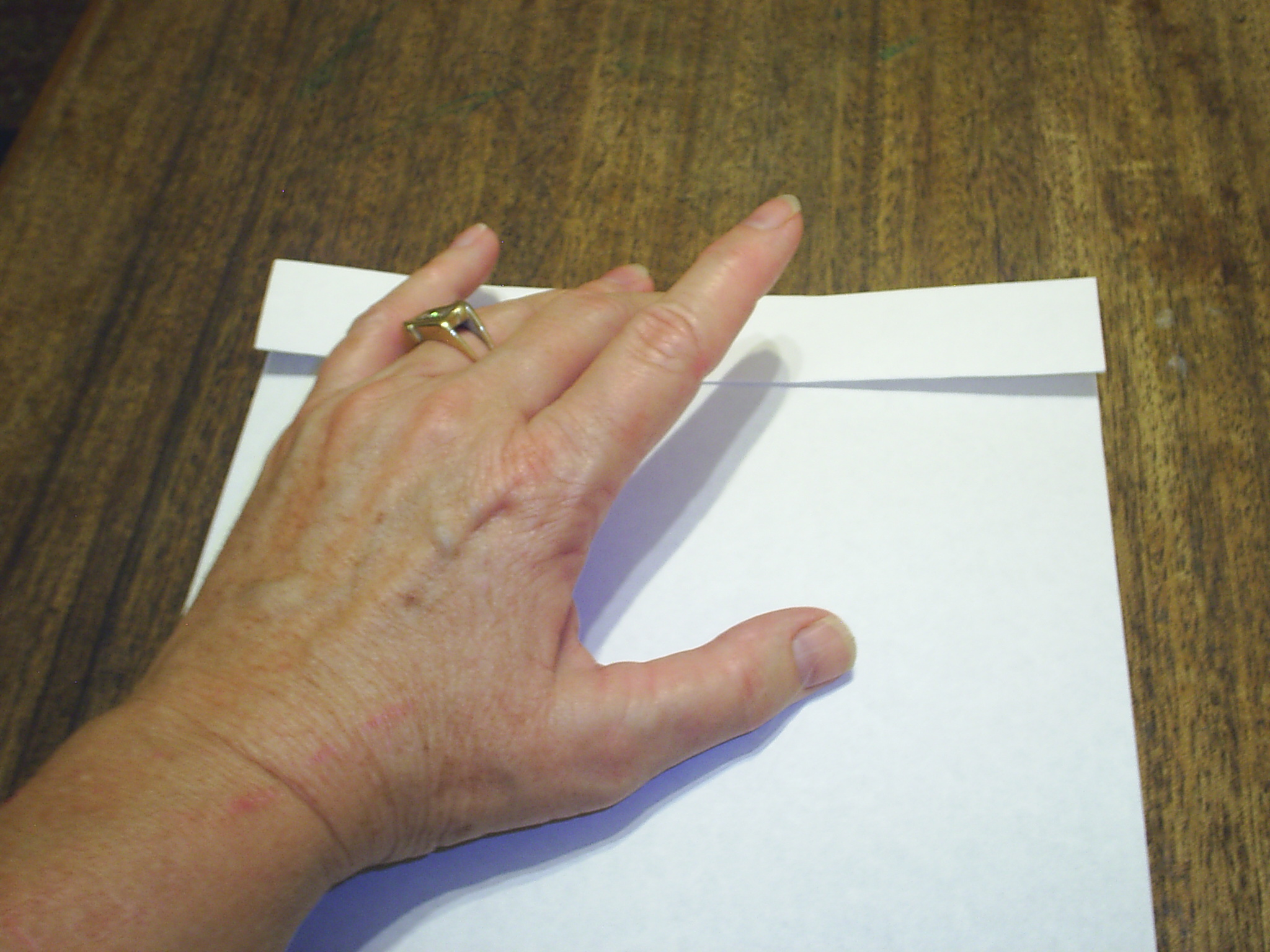
Take 1 sheet of paper. Fold once along the edge like this.

Second fold...etc.

Second fold…etc.

Then fold it back the other way like this.

Pow!

Pow!

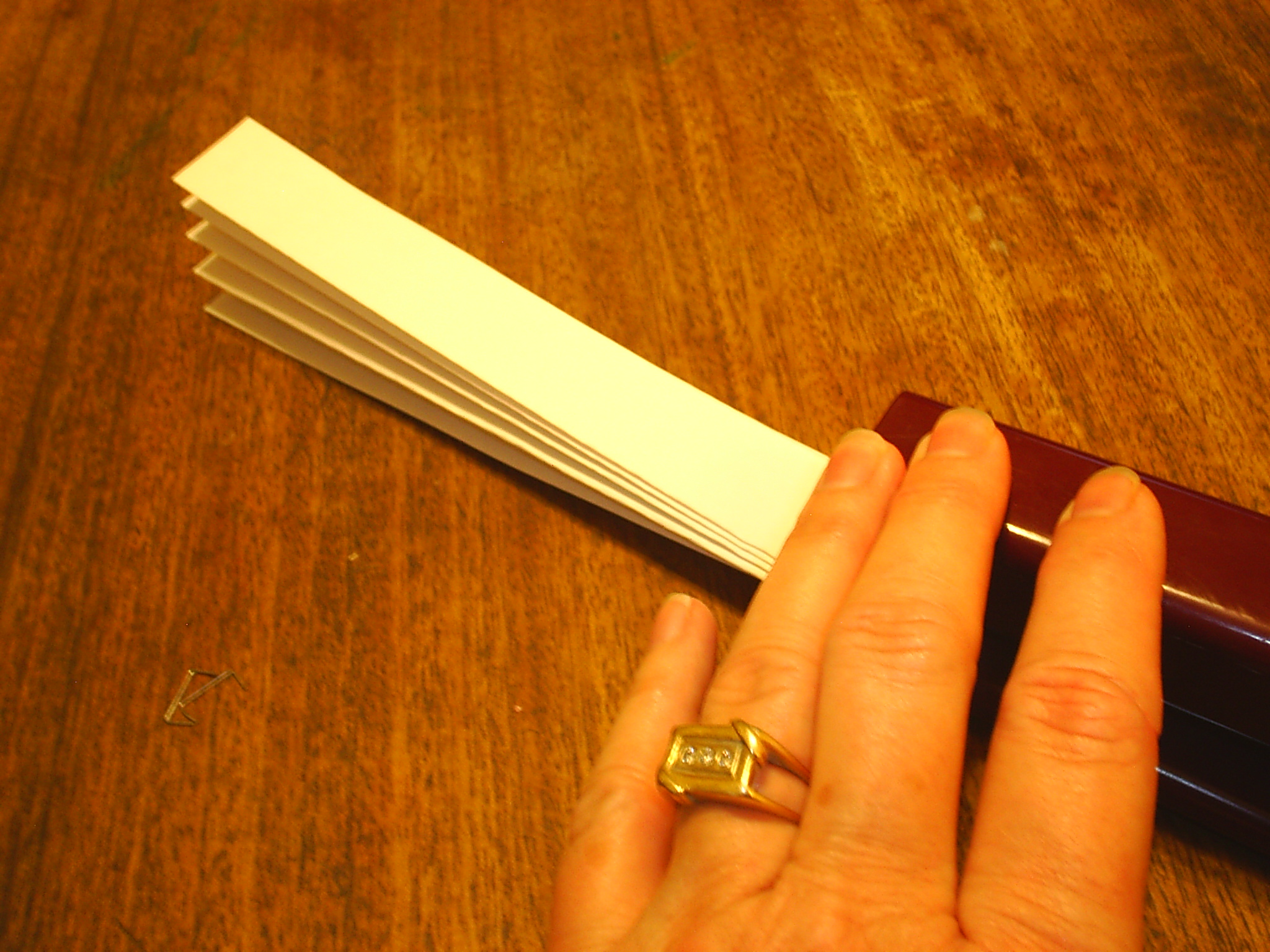
Keep it up until you get it all folded, then staple one end.

Fan away! Whew!

Fan away! Whew!

Now fan out the other end and cool yourself.

Now that you’ve got some experience, break out the crayons, markers, paints, stamps or whatever and pretty up the next one. The smaller you make the folds the finer and prettier your fan will be. Show the kids how so they can occupy themselves for a bit decorating and folding fans for themselves and friends. You can even punch a hole in the stapled end and put a tassel on. Have fun and stay cool, now.

Posted by: briellethefirst | July 3, 2011

Yesterday’s Harvest, Today’s Salsa


Yesterday's harvest

Yesterday’s harvest

Yep. Somehow I managed to keep the chickens off the basil, pepper and a tomato…with milk crates over the stuff that was out back. The onion and cilantro were from out front.

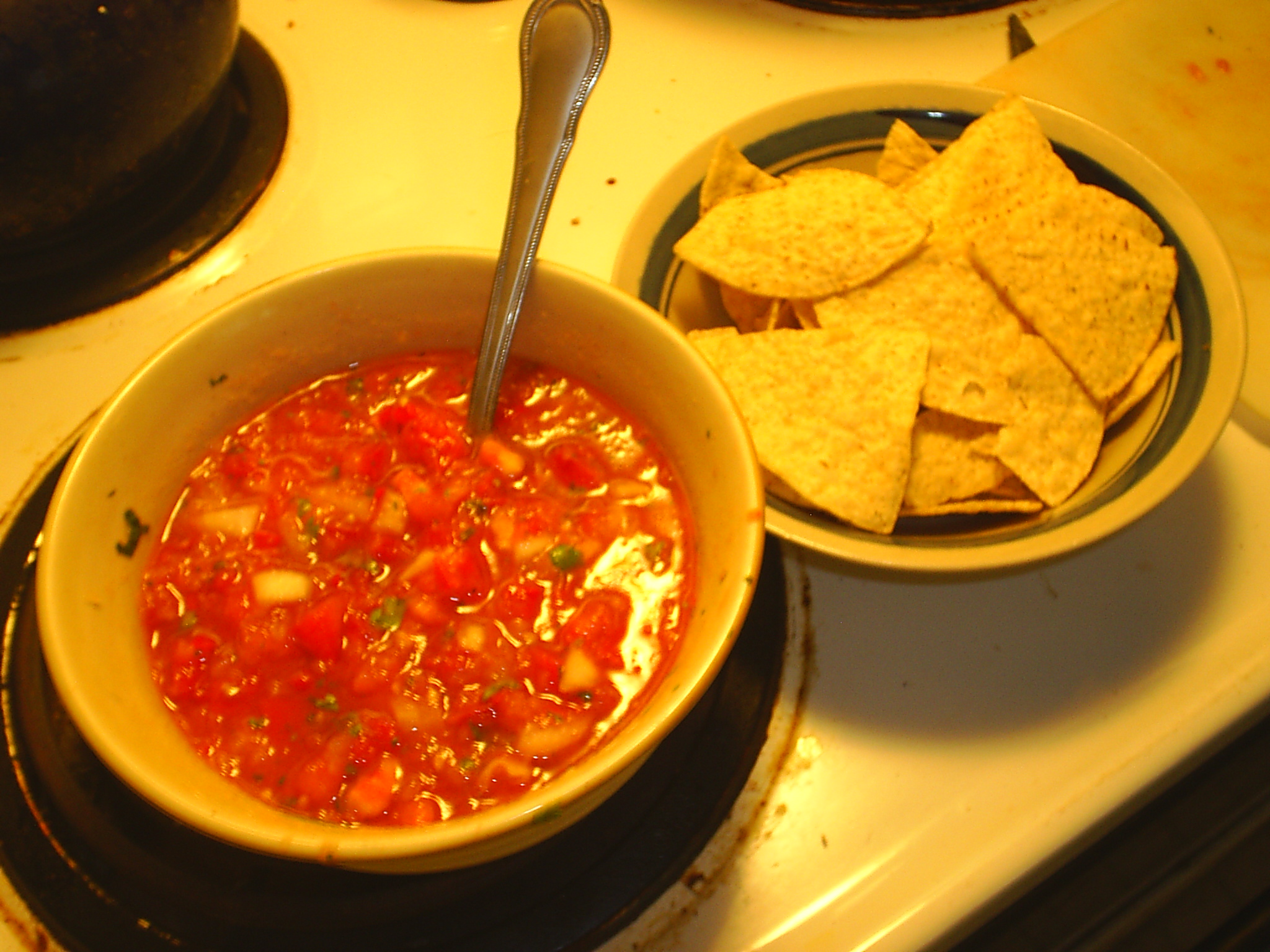
Cut up half a large onion, then take the seeds and white ribs out of the pepper and mince it. I used an Anaheim, better flavour and lighter heat…I don’t have anything to prove and really don’t need to burn out any more taste-buds. Cut up the tomatoes and chop the basil and cilantro. If you have oregano and garlic and want to add either of them, toss them right in. Grind some pepper in and add a generous spoonful of salt and the juice of one lemon or lime. Mix well and chill in the fridge for about an hour or two. You can serve it like this, chunky and juicy, or you can take 1/3 to 1/2 and zap it in a food processor or blender then mix the purée back in to thicken a bit. Serve with chips or any Mexican food you happen to throw together.

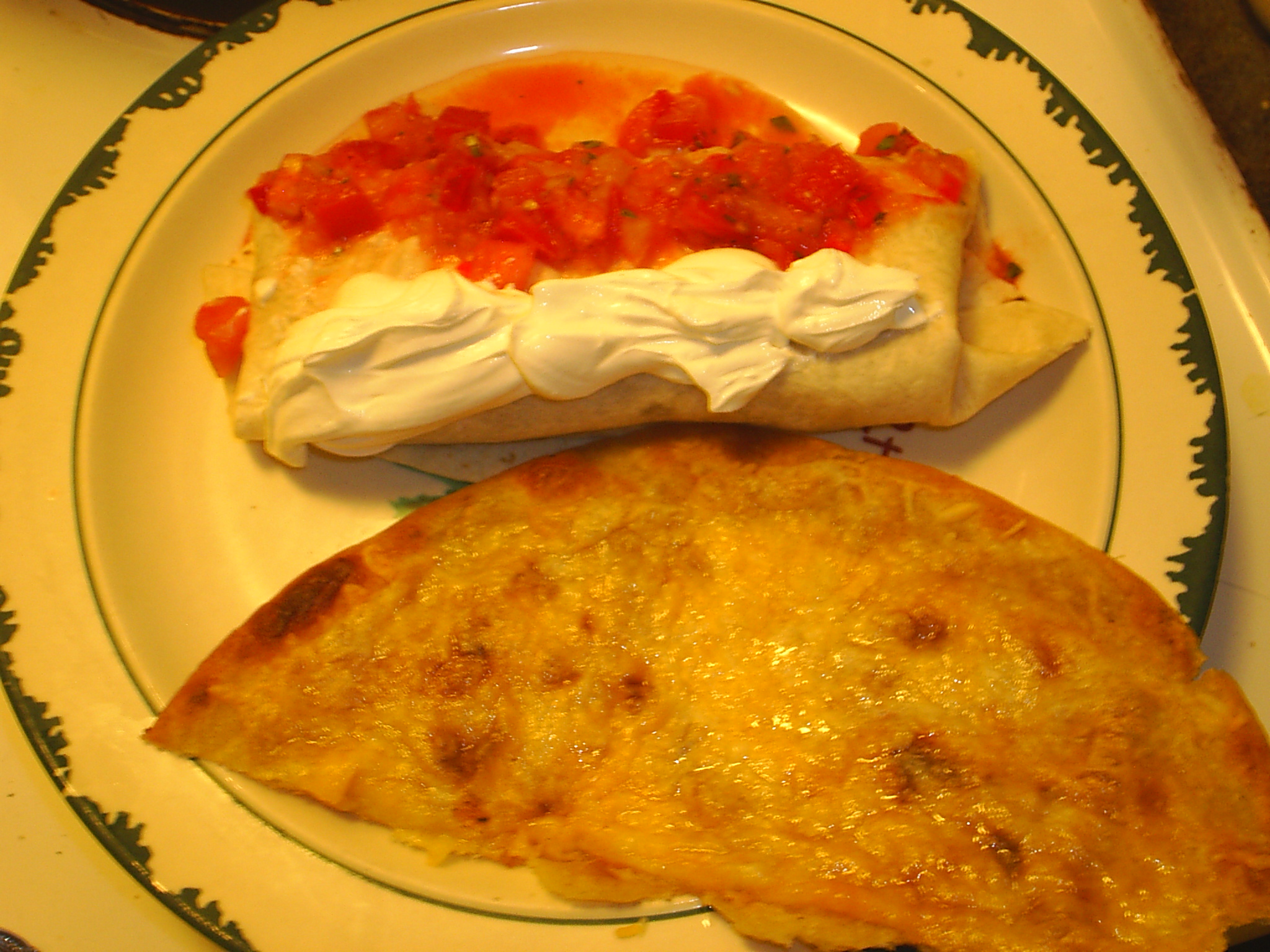
Tonight’s dinner: cheese, beef and bean burro and a cheese crisp.

Today's Salsa

Today’s Salsa

Tonight's Dinner

Tonight’s Dinner

Posted by: briellethefirst | July 3, 2011

Lavender


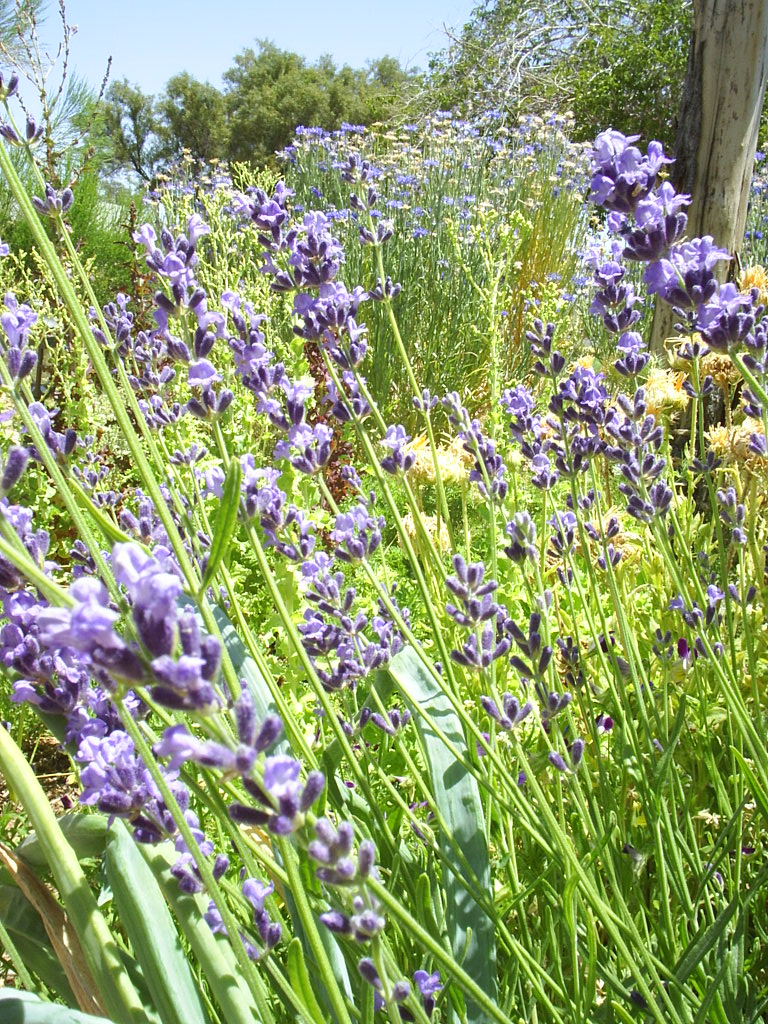
Lavender flowers in my frint garden

Lavender flowers in my front garden

Lavandula angustifolia, L. latifolia, L. dentata, L. stoechas…well, there are a bunch of lavenders, and as confusing as they can be to a new lavender enthusiast they all have their charms. It may be easier to just go by their common names and pick up what appeals to you in the nursery, then as you get better acquainted you can add to or change your collection to better fit your needs. Look for names like Munstead, French Lavender, Spanish Lavender, Lavender Provençal, Lady Lavender (one of the few that’s supposed to be easy to grow from seed) and others. It grows 2 to 3 feet high and wide and the foliage is usually grey-green and the flowers are usually various shades of purple, but can range to pink, white and there’s even a yellow variety. They grow in a wide range of climate zones, so there will be a few almost anyone can grow without resorting to keeping it in a pot in the summer and bringing it in on a windowsill for the winter.

My Dad had a beautiful Lavender plant in the front garden when I was growing up and I never had trouble with it except in Florida, where it kept dying from the ground up, probably because it really doesn’t like wet feet. As long as it has enough sun, regular water (but not too much) and room to spread its blooms it’ll be happy. Whether an only child or an informal border, it’s definitely worth growing. Bees love it and it is often used in knot gardens with other herbs like rosemary, thyme, santolina, and germander.

The scent is usually considered relaxing, so soaps and sachets are popularly flavoured with lavender. It’s nice in perfumes and has been used with beeswax to make furniture polish. It’s reputed to repel bad things and some people hang a lavender cross over their door to repel evil. Once-upon-a-time it was used medicinally more than it is today and in Rome was known as nard or nardium.

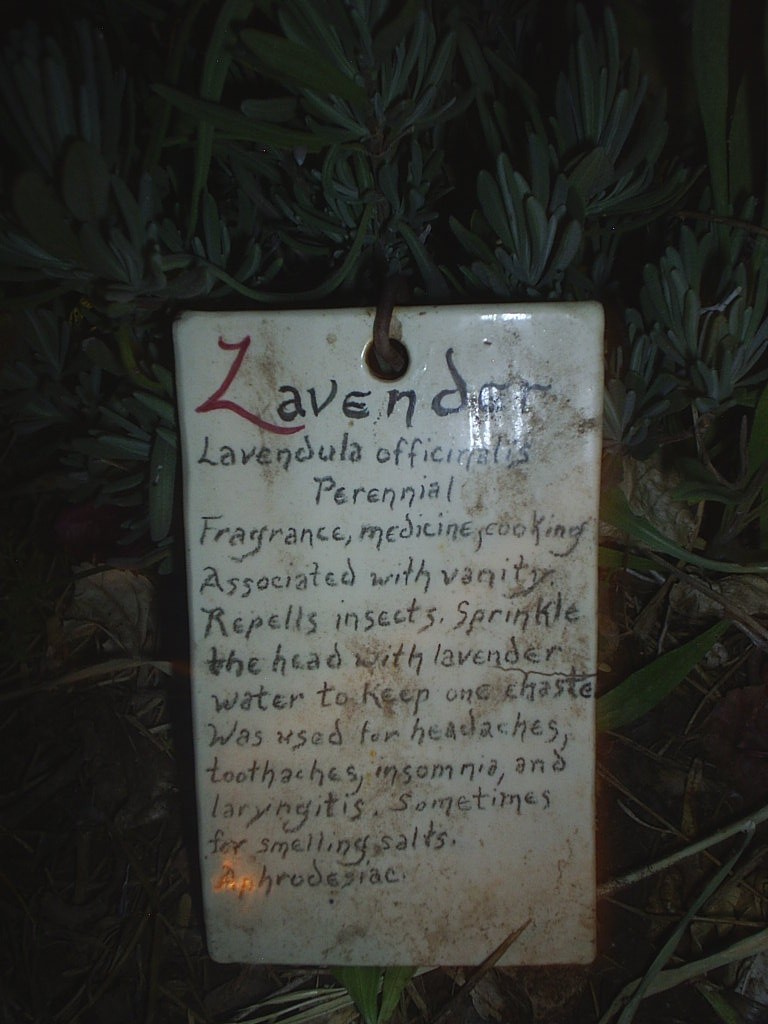
My lavender marker

My lavender marker

There’s so much you can do with it. Some people even cook with it, but all I can think when I taste it is soap, so I guess I just haven’t found the right variety and amount yet…not that I’m really looking that hard, though. If you want to try it before cooking with it yourself look for pastilles in import stores like Cost Plus. They’re little white or pastel candies that come in pretty tins and look like tiny breath mints. Along with lavender I’ve seen anise and violet and violet is my favourite. What else can you do with lavender? Use it in fresh flower arrangements and garlands, dried flower arrangements and wreathes, potpourri, sachets, scented water and oil, and even mix the flower bits in with wedding rice.

Sachets are basically dry potpourri contained, usually in a bag, and stored with clothes to leave a nice scent and discourage bugs. An interesting self-contained potpourri is a lavender wand. Cut an odd number of flower spikes with long stems. Gather them together at the base of the flower spikes and tie them with a nice ribbon, string or yarn, leaving a loop. Now bend the stems over the flower spikes and weave the ribbon or yarn between the stems, trapping the flowers inside the basket you are now weaving around the flowers and making the loop stick out the end. Stop every once in a while to straighten and tighten the weaving and stems. When you get to the end of the flower tops, fasten the ribbon/yarn with a half hitch or two and wrap it around the remaining stems for a bit. You can wrap it simply or use a macrame knot like the half-hitch to make a ridge straight down one side or spiral down. Tie it off when you are satisfied or tired of wrapping and trim the stems even. If you leave a loop at one or both ends it’s easy to hang with clothes in the closet or anywhere else if you want to show off.

My kitchen fairy and her wands

My kitchen fairy and her wands

Posted by: briellethefirst | June 20, 2011

Coffee Shots


When I was a kid my parents always had a pot of coffee percolating on the stove. The house always smelled of the promise of a friendly cup and conversation. The friendly conversation was a given, the coffee choices were usually “mmm…fresh coffee!” or “oh, dear, pass the milk and sugar, please!” Making coffee really hadn’t changed for ages…

Pre-stove warming methods

Pre-stove warming methods

Later they acquired a coffeemaker and a microwave and entered the 20th century of culinary delights. Leftover coffee no longer had to sit on a warm butner long enough to become tar and could be re-warmed with a frozen burrito, waffle or any other miracle of modern conveniences offered in the grocer’s freezer.

While I never liked coffee it just wouldn’t be morning without the smell of coffee, so I always had some around in case I got homesick or had company. Eventually I had kids, got divorced and learned to live on 2-4 hours sleep a night…and a pot of coffee a day! Eventually my coffeemaker broke. I still had the carafe and grounds basket, though, so I just boiled water in my trusty kettle and poured it myself. Worked great. Still does, and gives me an odd bit of ‘alone time’ for meditation. The process really lends itself to a nice quiet morning ritual:

Fill the kettle, wait for the whistle to tell me it’s ready.

The pre-coffee steam Djinni

The pre-coffee steam Djinni

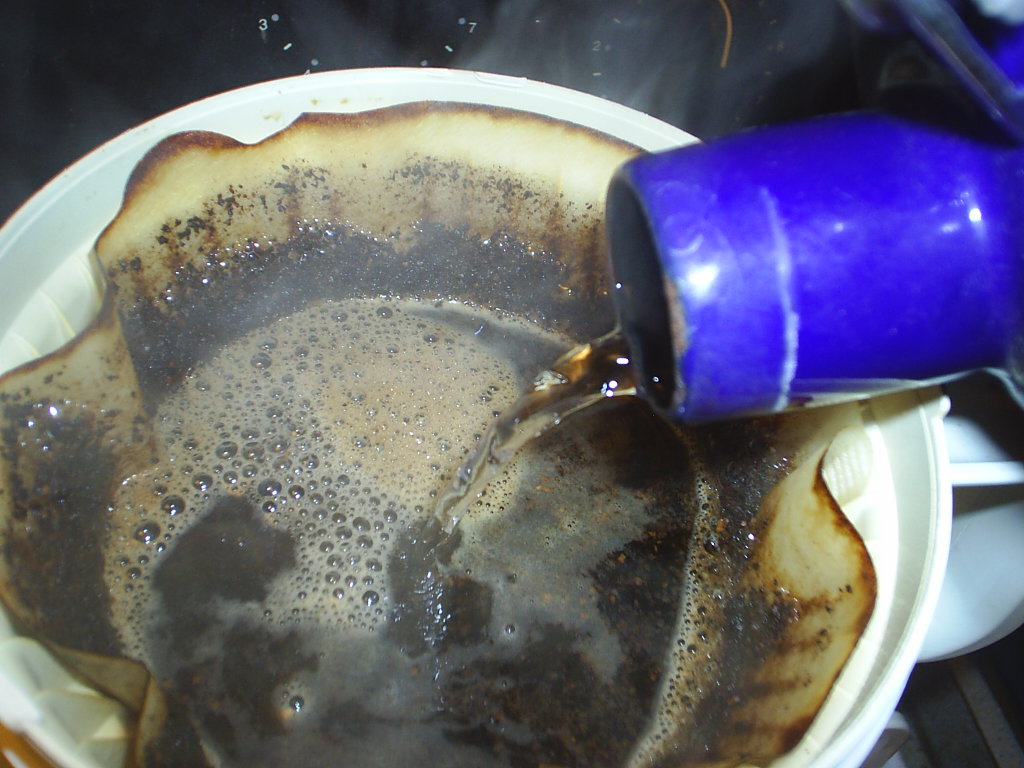
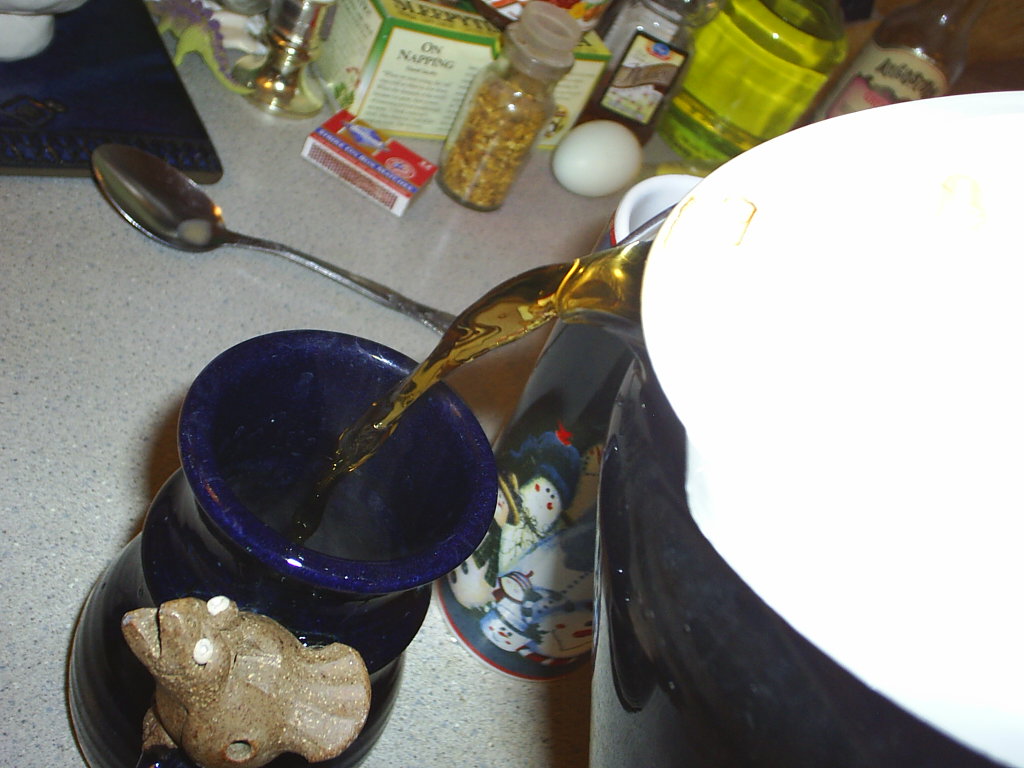
While I’m waiting I feed the critters and fill the grounds basket, then pour the steamy water through. Repeat til the carafe is full.

Turning water into live-giving elixir

Turning water into live-giving elixir

Pour into your favourite cup.

Happy morning mug!

Happy morning mug!

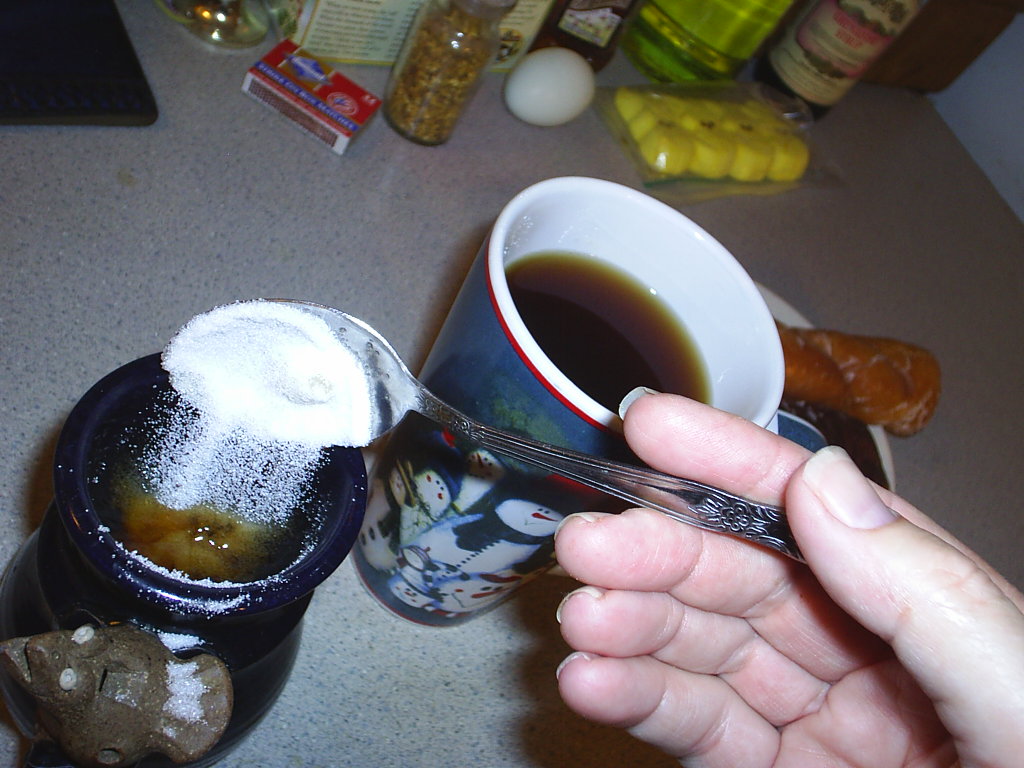
Add some sugar.

Sugar...only the real thing

Sugar...only the real thing

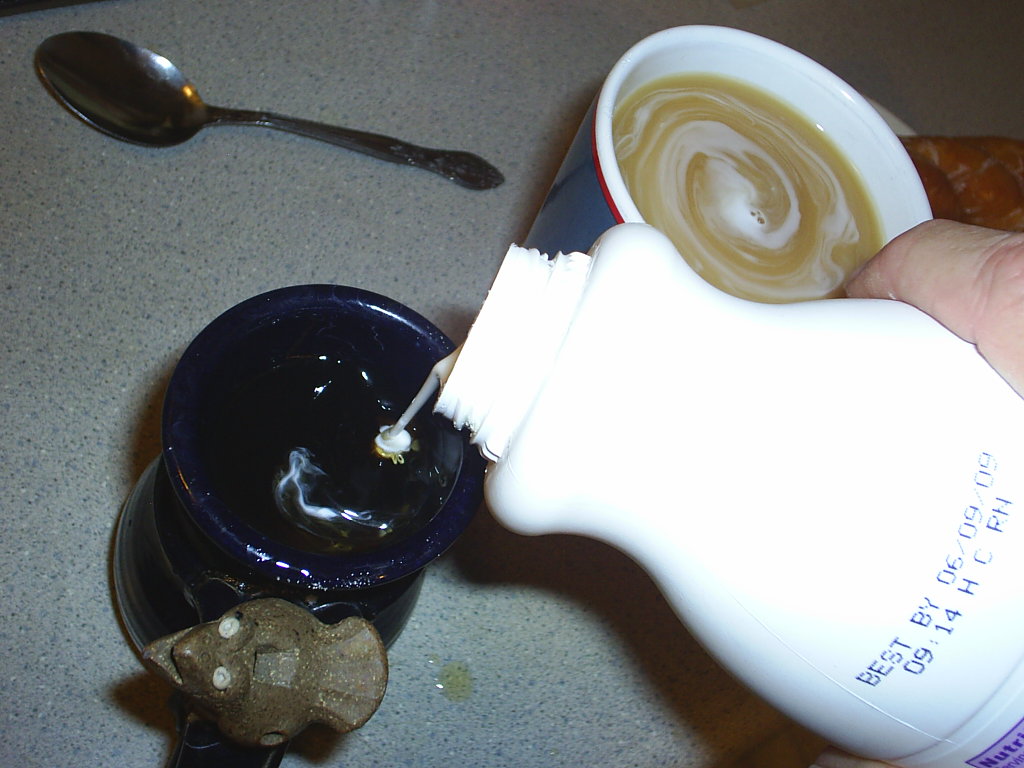
Then some cream/half and half or milk (never non-dairy creamer! Heaven forbid! Eauw…nasty soapy flavour!)

The beginning of coffee-clouds

The beginning of coffee-clouds

The transformation

The transformation

Enjoy your coffee-clouds and let your coffee meditation take you productively and happily into your day, no matter where that takes you.

On with the day!

On with the day!

Posted by: briellethefirst | June 11, 2011

Ginger


Ginger (Zingiber officinale)

Young, new shoot, before the chickens got it

Young, new shoot, before the chickens got it

is another plant people are surprised to find in my garden. It looks kind of grassy and can grow about 3 to 5 feet tall. Mine hasn’t flowered yet but when it does it’s supposed to be yellow or white spikes a few inches long. In Seattle and Phoenix a friend and I grew ours in pots about 1 inch deep. In Florida it seemed happy right in the garden in afternoon sun. Plant it just below the surface in a warm, sunny spot in spring. Don’t water too much at first or the root might rot. After the shoots appear water regularly. They like some fertilizer once in a while, too.

When they die back for the winter bring them in or mulch to keep them cozy when it gets frosty. The roots or rhizomes from the young sprouts have the most flavour, so harvest those when the plants are well established after about a year or so. If you’re growing yours in a pot re-pot yearly when they die back for the winter or before they wake up in the spring.

You can keep the ginger you want to use in the fridge for a few weeks or almost indefinitely covered with sherry in a jar. It can also be sliced and dried like other herbs and ground in a coffee grinder, a little at a time as needed. Whole spices last longer than ground spices. Coffee grinders are good for grinding coffee, too, but you’ll want a separate one for spices and one just for coffee if you want your coffee to continue tasting like coffee.

Use it as called for in oriental dishes, make dried or fresh slices into tea/chai, or make home-made gingerbread (yum!). You can marinate the young, tender shoots in vinegar and sugar to make beni-shoga. If you substitute fresh ginger for dried in recipes, use about 2 parts fresh for each part dried. Candied ginger is a nice treat if you’ve developed a taste for it and ginger is supposed to aid the digestion.

The top of the plant is fragrant, too, though not as much as the root. The fresh leaves or roots are good in moist potpourri and the dried sliced roots and leaves are good in dried potpourri. The fresh leaves and flowers are an unusual touch to flower arrangements.

The other shoot

The other shoot

Posted by: briellethefirst | June 11, 2011

Fried Eggs


Sunny side up, over easy, scrambled… yum! The kids love eating eggs they gathered themselves. It’s the easiest thing in the world to cook, nutritious, a great quick lunch or dinner and goes with so many things.

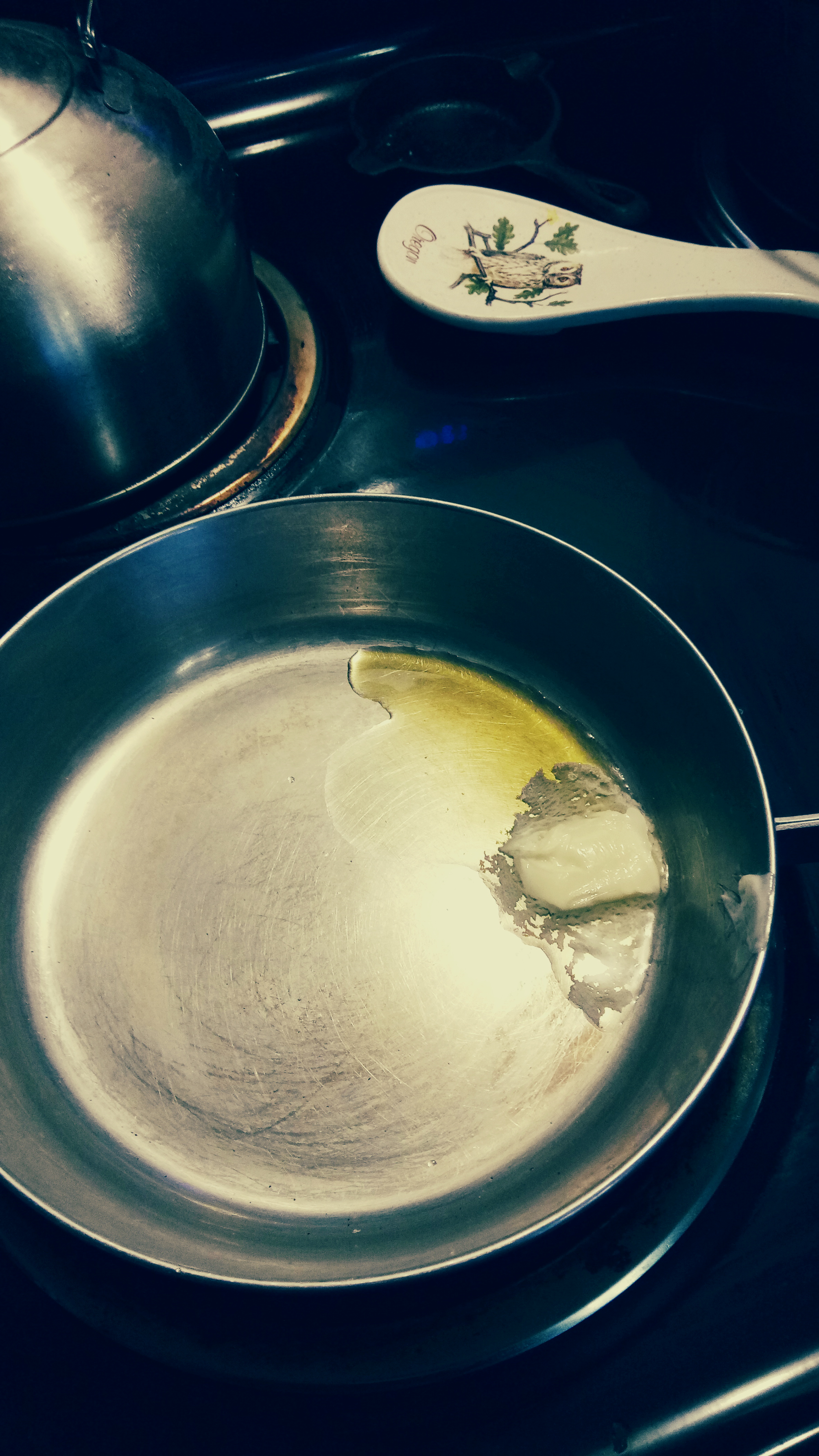
IMG_20200805_102635First warm up a frying pan over medium heat and toss in a knob of butter. What’s a knob? A little bit, enough to do the job. Just enough to keep the egg from sticking ton the pan but not enough to get greasy.
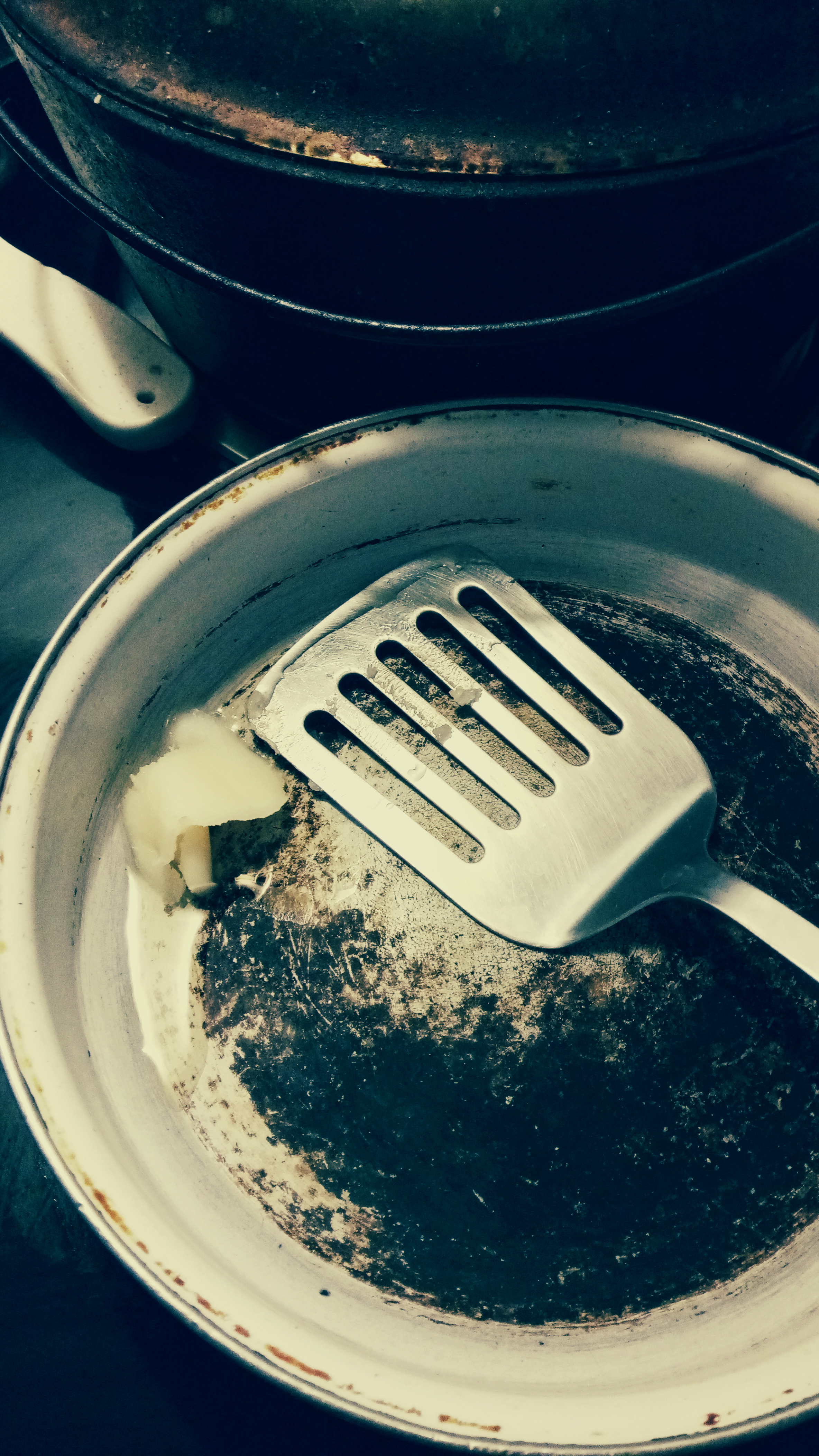
IMG_20200805_102646Or bacon fat. Grandma always kept some on the back of the stove, but if that makes you nervous you can keep a but in the fridge. Shortening,  olive oil or other cooking oils will work, too.
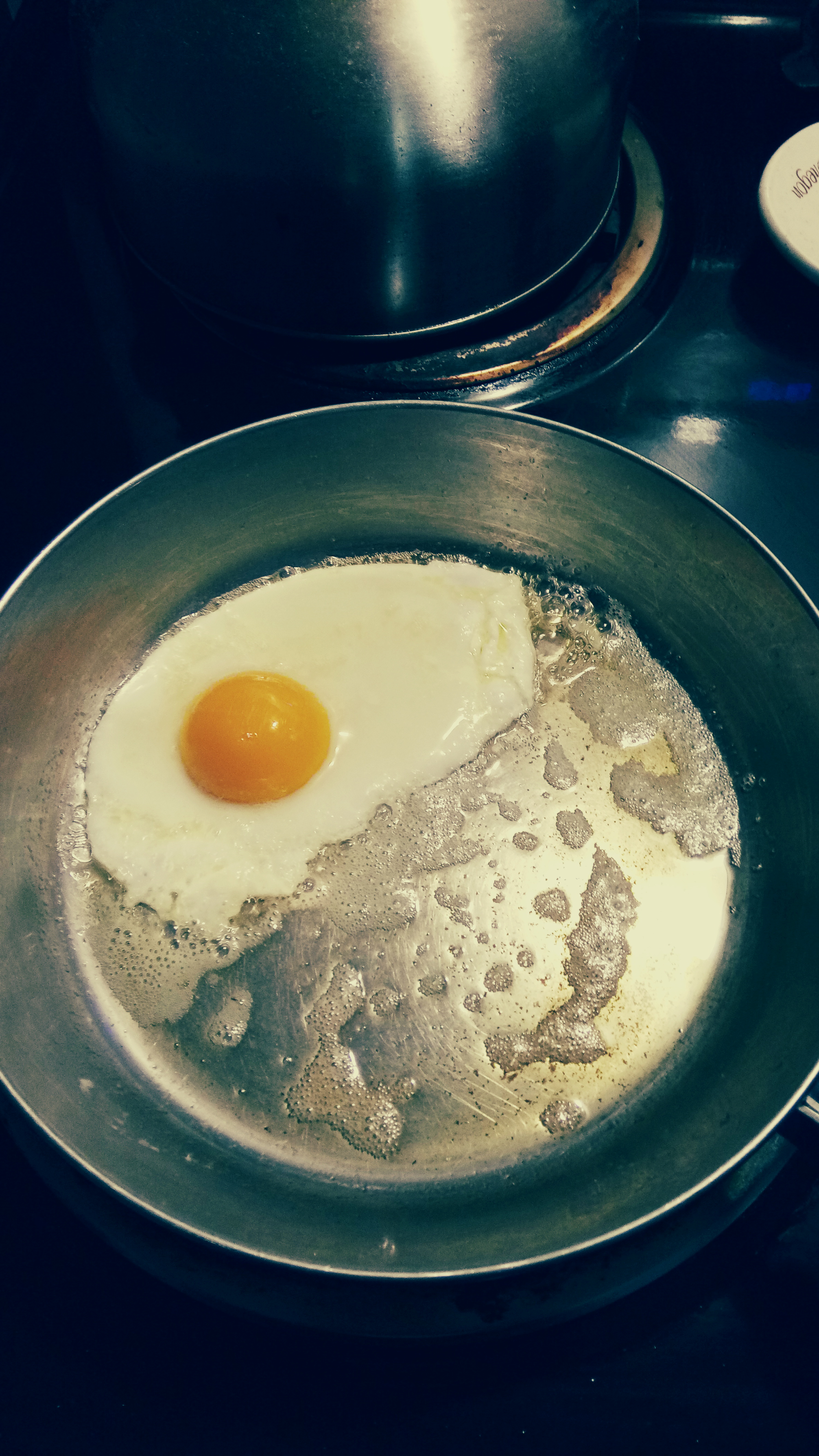
IMG_20200805_102920So, when it’s melted and spread around, crack an egg on the side of the pan and drop it in. Season with salt and pepper.
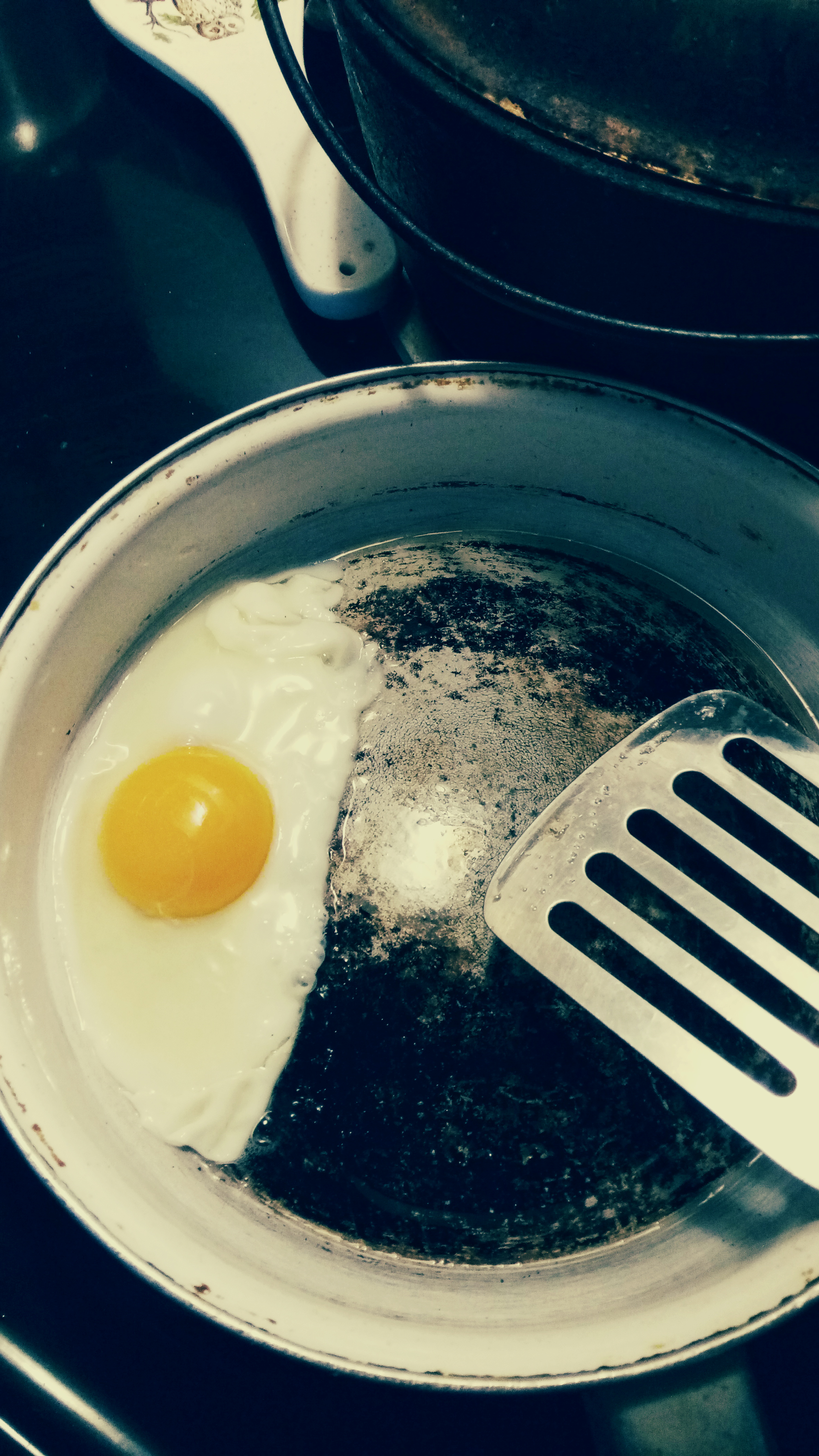
IMG_20200805_102948If you want sunny side up wait till the white is cooked all the way through and then scoop it out with a spatula.
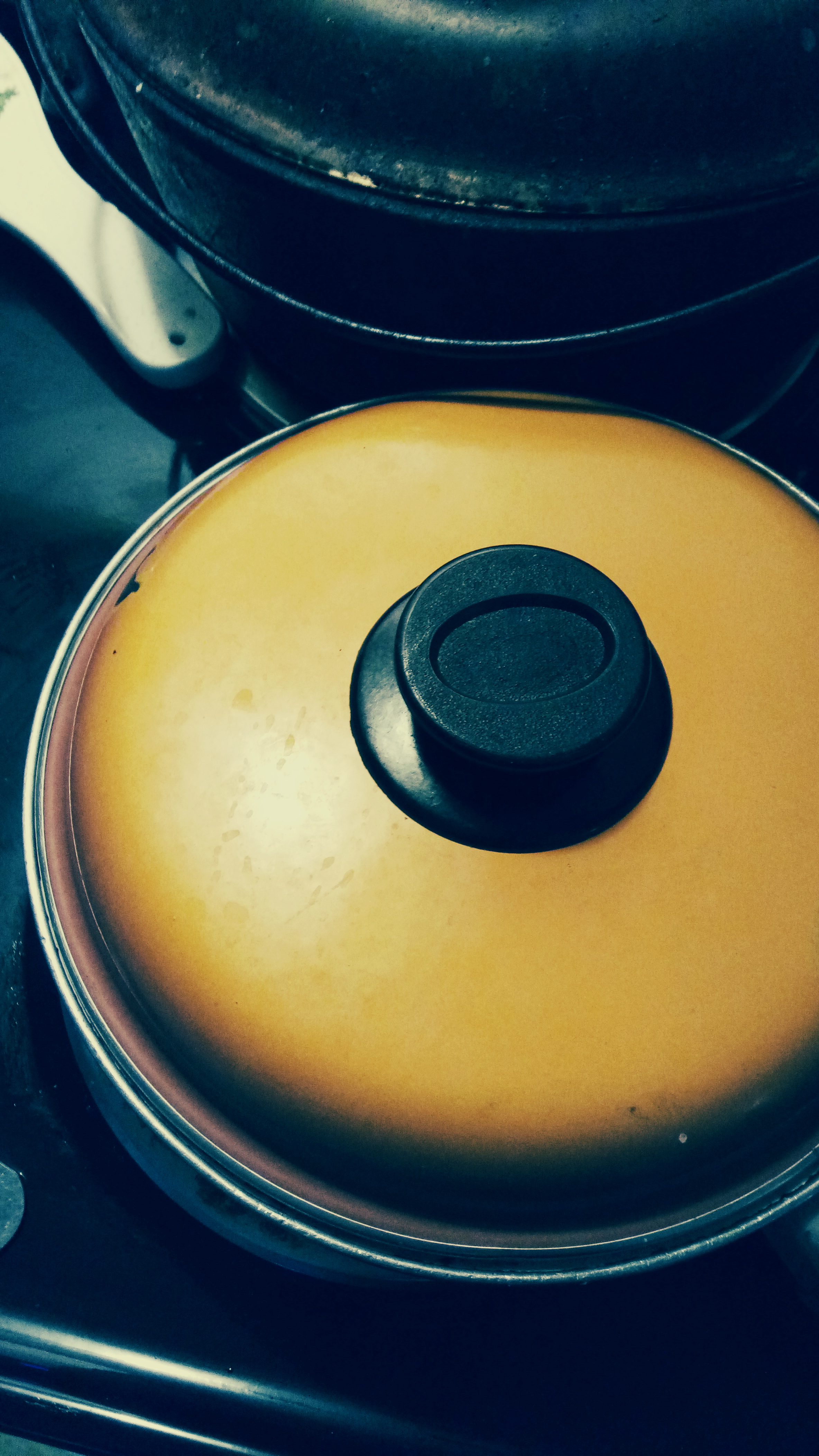
IMG_20200805_103045If you’re concerned about the top getting done enough you can cover the pan before lifting out.
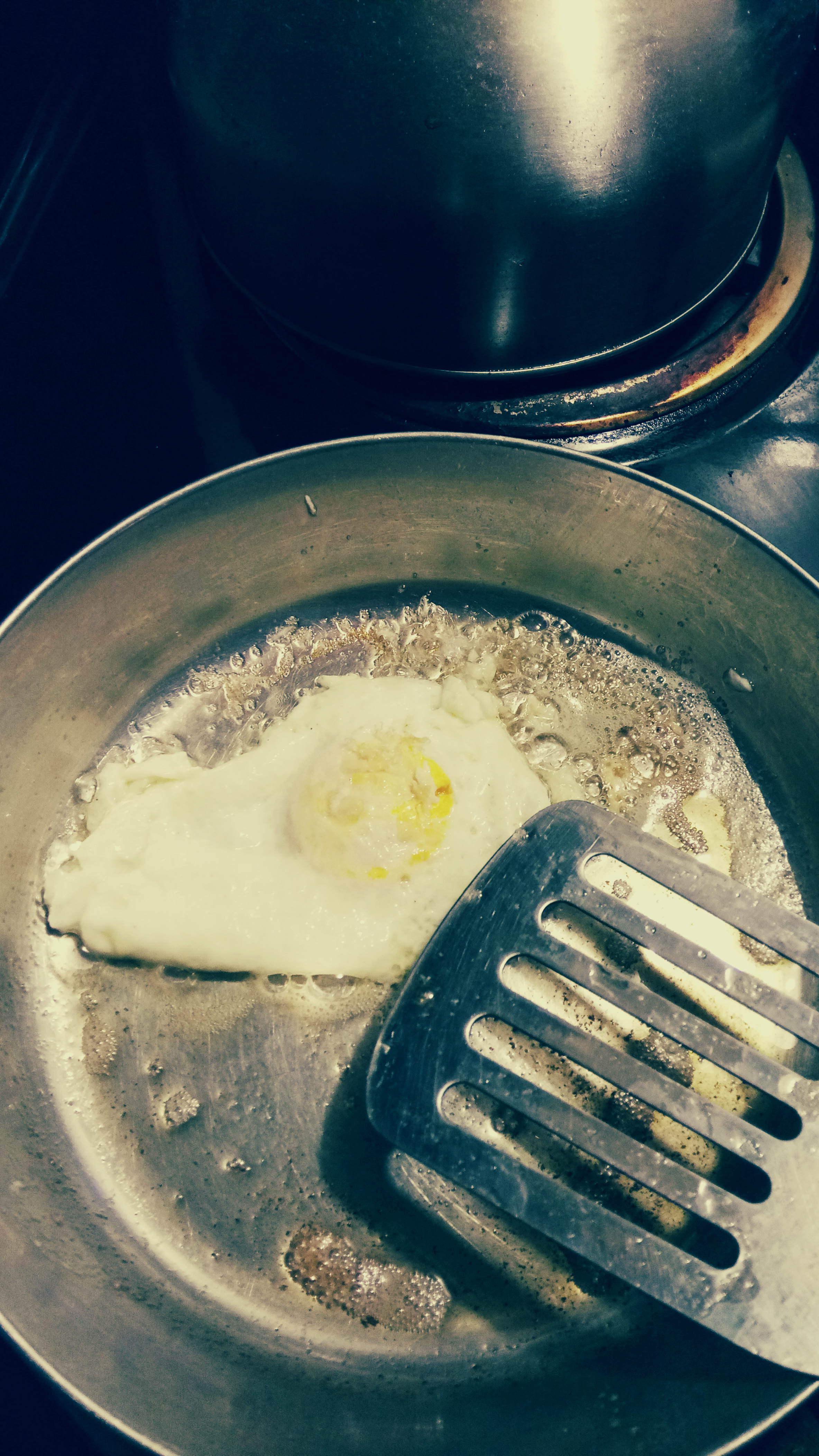
IMG_20200805_103031If you want easy over (the yolk gets more done this way but it’s not as spectacular) when the white is solid enough on the bottom to flip, If you want it easy-over, carefully run the turner around the edge and under, gingerly lifting and carefully flipping. Turn quickly but gently so you don’t break the yolk…but don’t worry if you do. Season with salt and pepper.
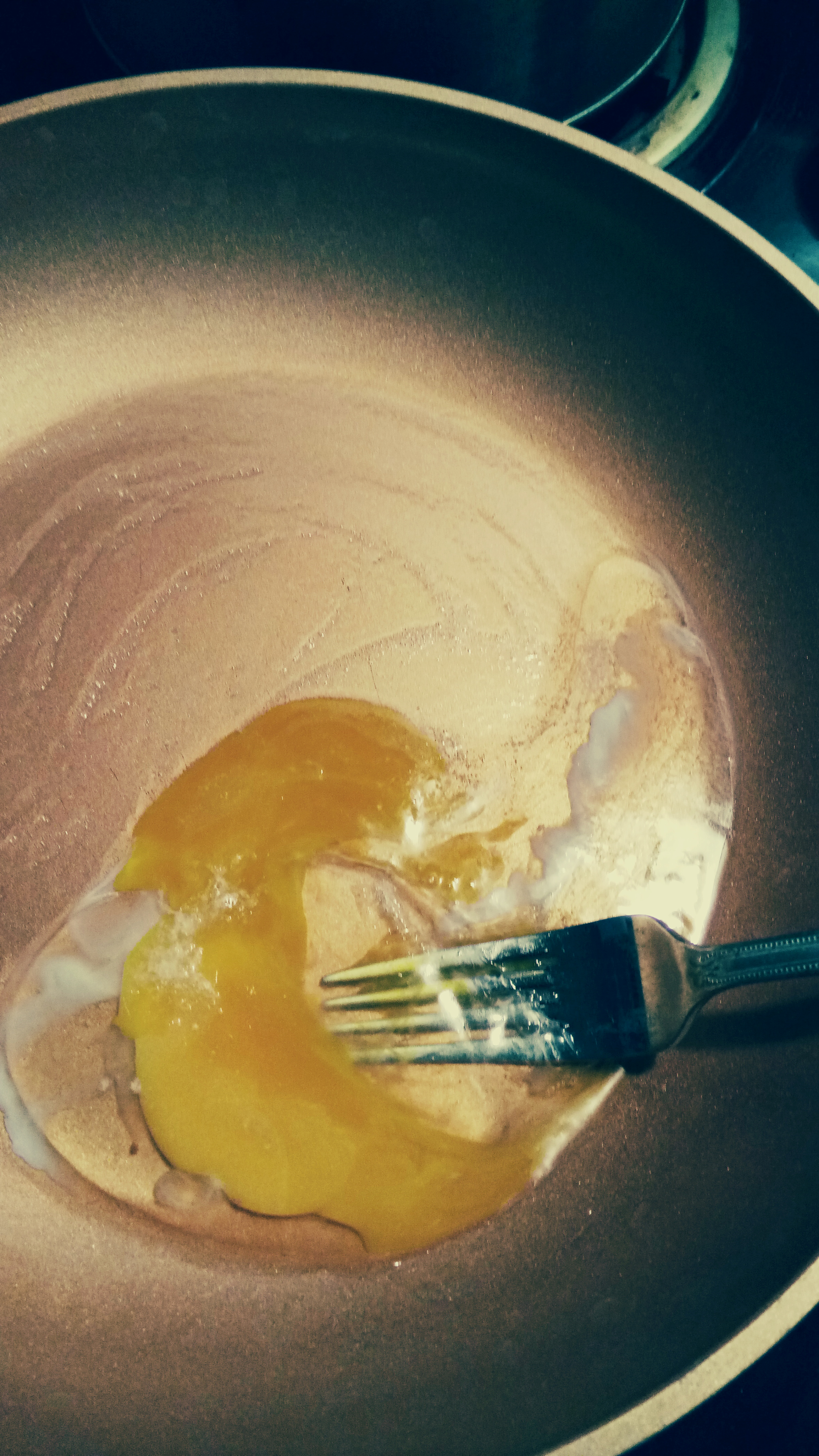
IMG_20200805_115650Want scrambled? There are 2 ways to do this. One is to just break the egg into the pan, break the yolk and scramble it gently til it’s cooked through. One benefit to this method is that if a regular fried egg’s yolk breaks you can just scramble it and say it was intentional.
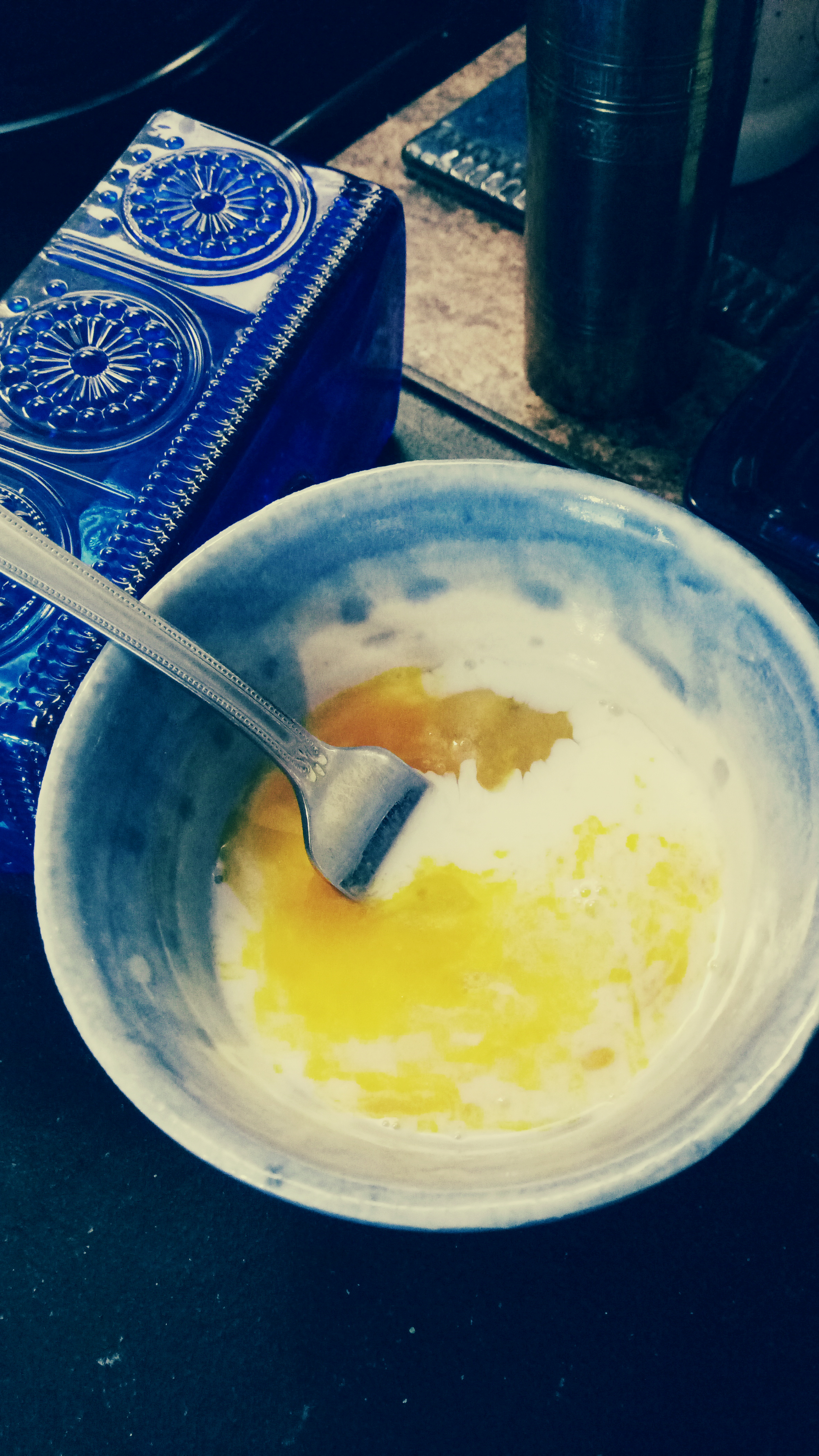
IMG_20200805_115806The other is to break the egg into a bowl, pour in a dash of milk (and maybe some herbs to taste), scramble and pour into the pan.
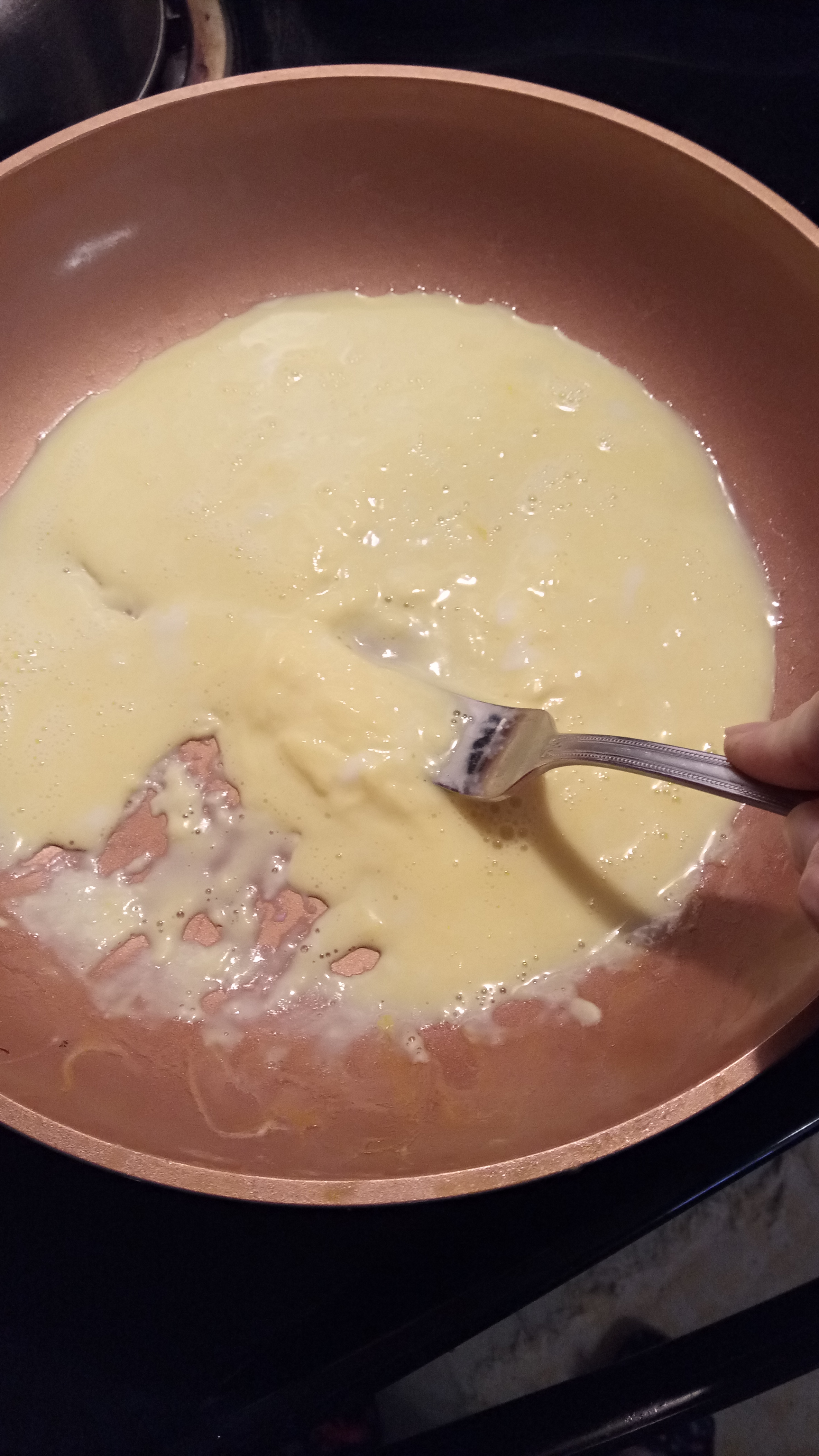
IMG_20200805_120104Scramble til done to your satisfaction. Some people like them still a bit damp and others like them dry.
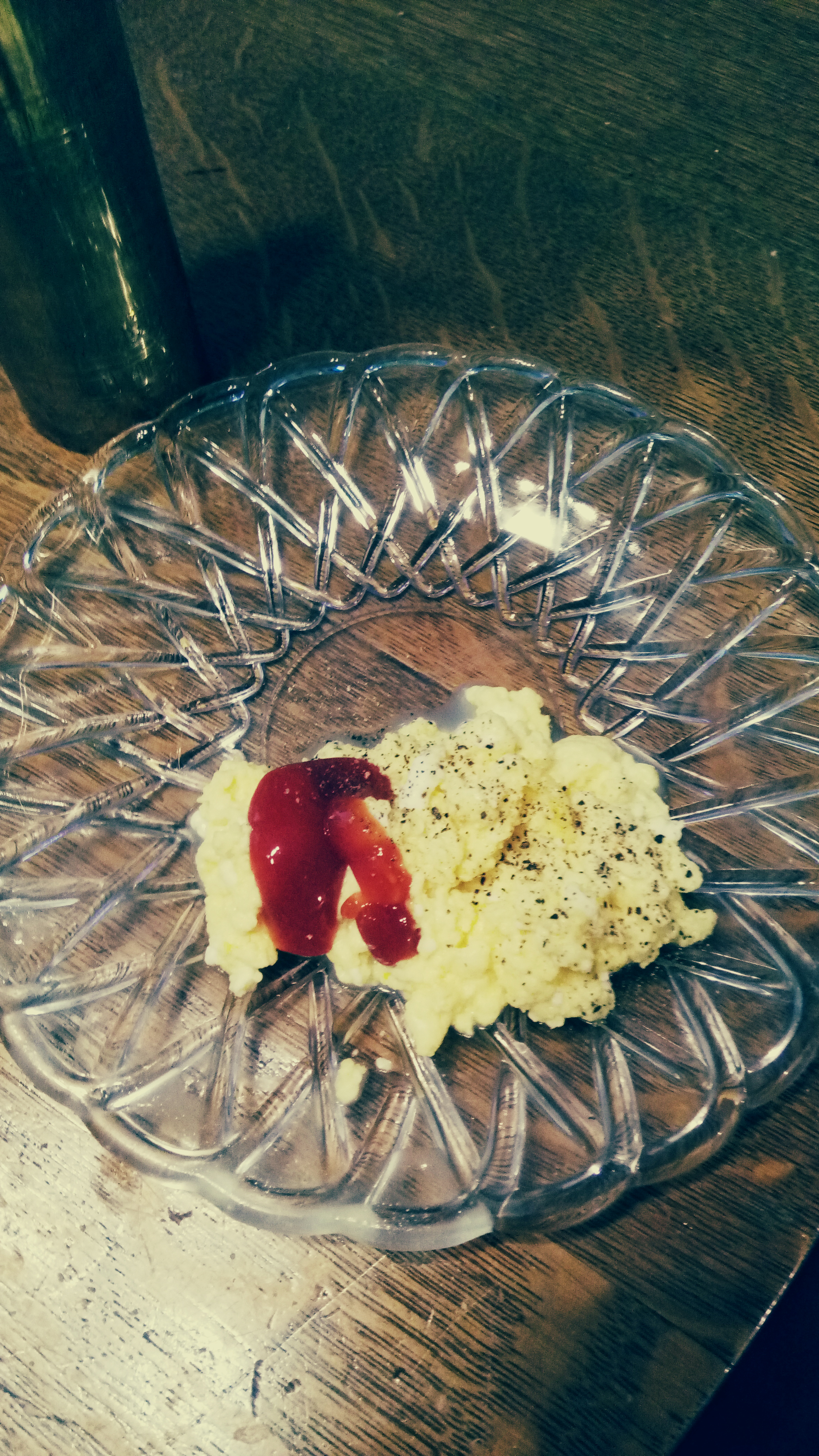
IMG_20200805_120515This will make a lighter scrambled egg, even custardy if you add too much milk (like I did). Serve with salt and pepper or even catsup (don’t judge).
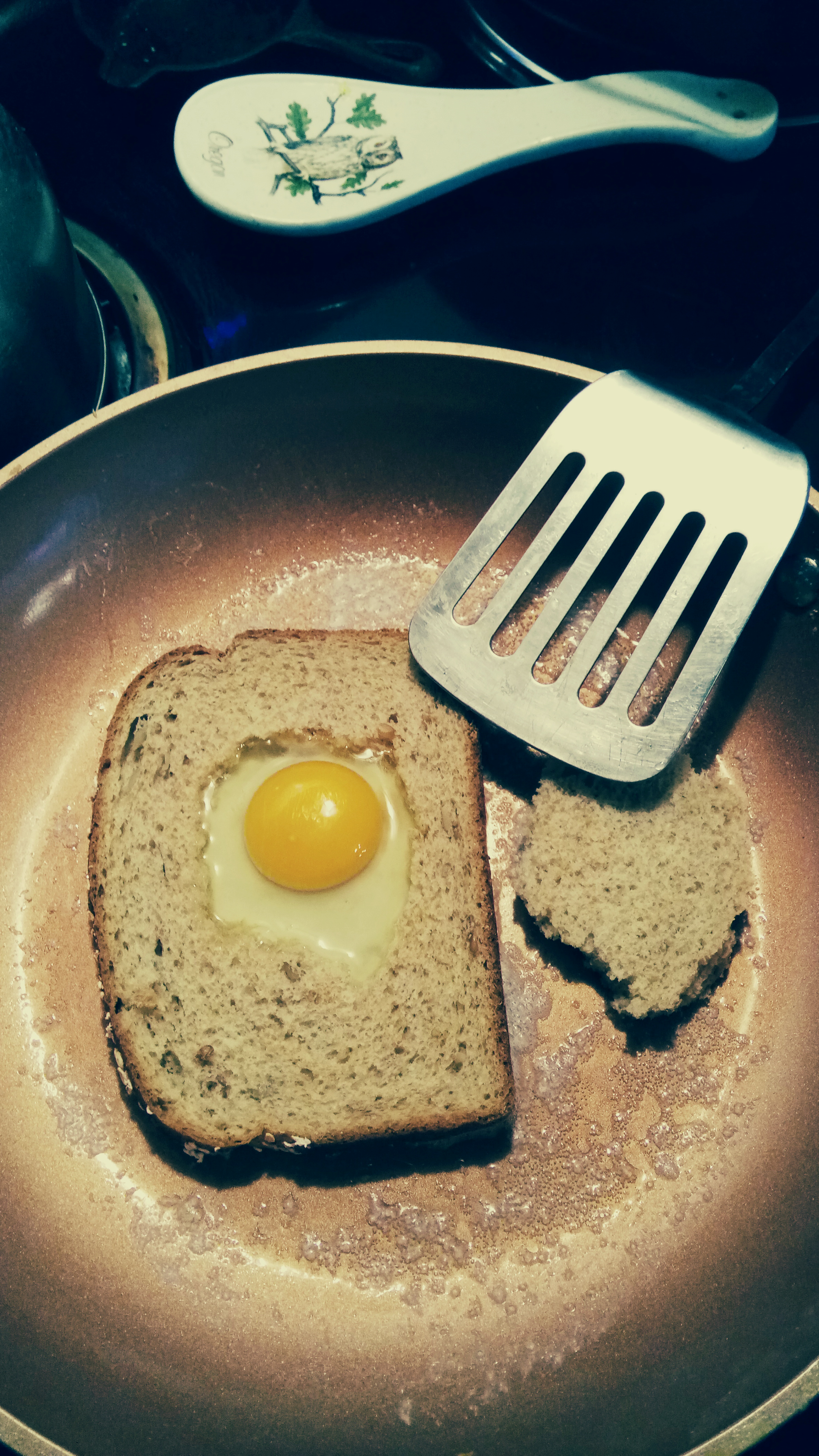
IMG_20200805_121327Toad in the Hole. Tear a hole in the middle of a piece of bread. Put into the melted butter. Break an egg and drop it into the hole. If there’s enough room fry the hole from the middle of the bread at the same time.
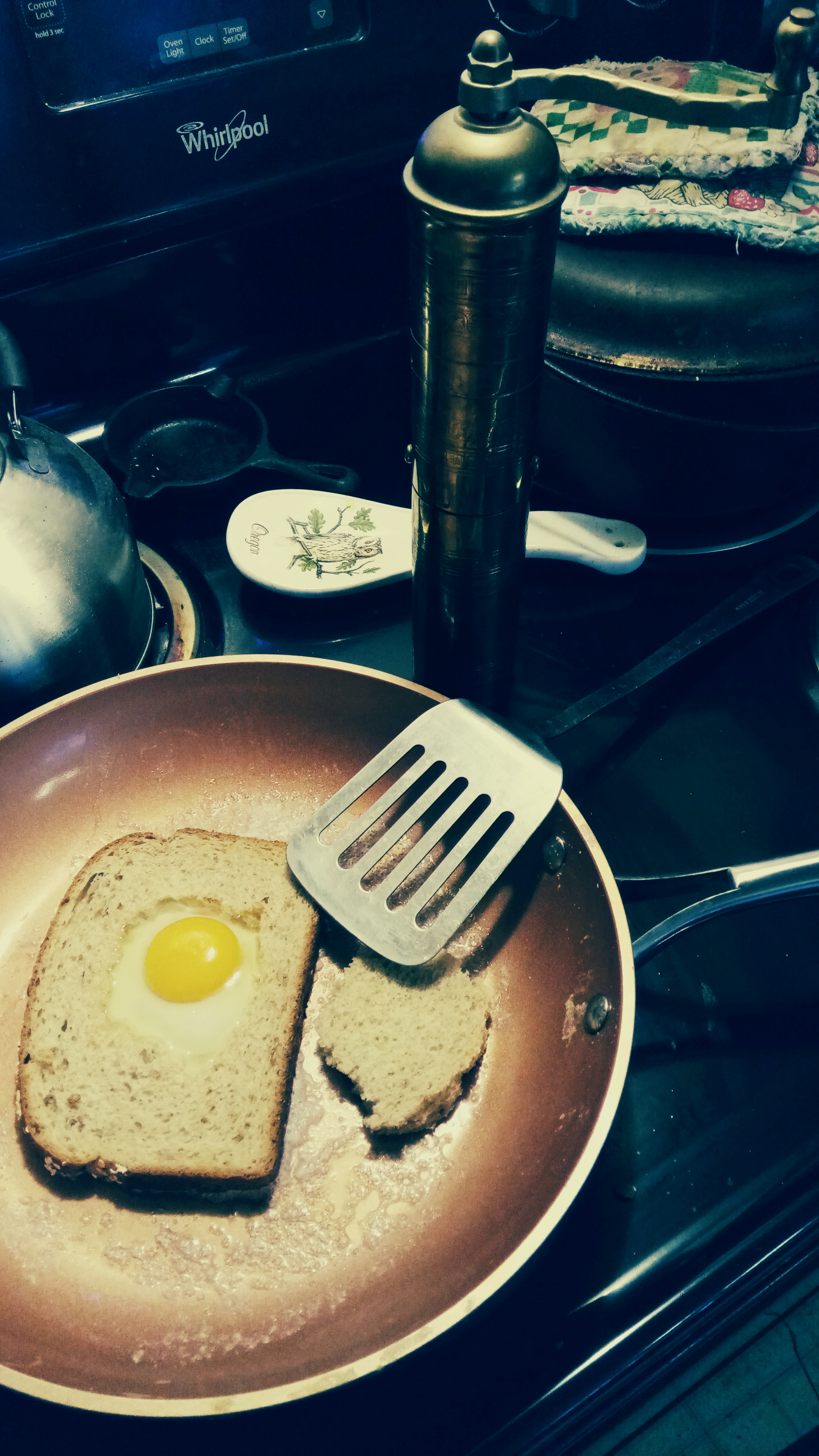
IMG_20200805_121353When the white is done enough, flip the bread-and-egg over. Season with salt and pepper.
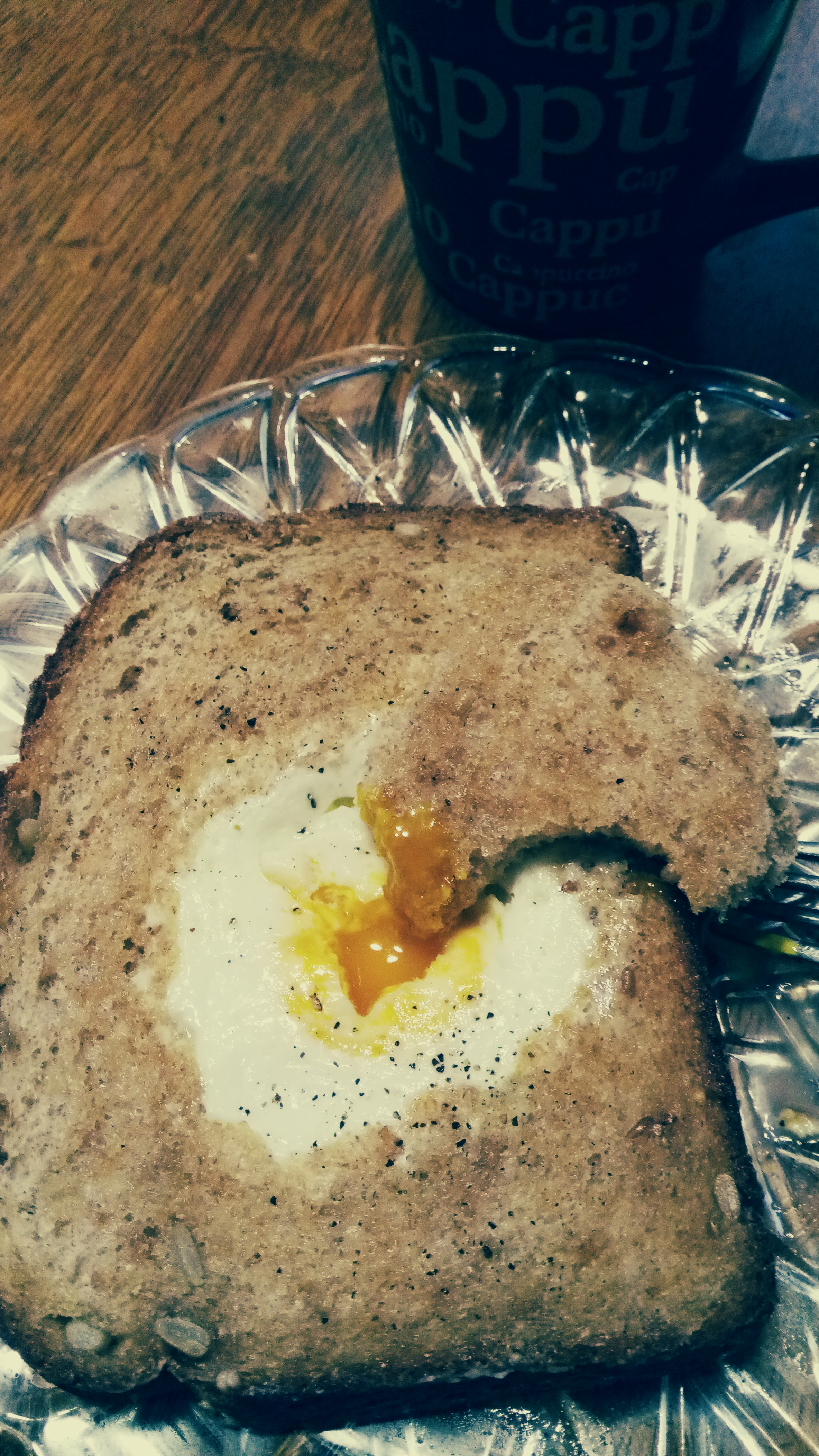
IMG_20200805_121837If the yolk is still runny, sop it up with the hole-toast. when you have sunny-side-up or easy-over, you can do this with toast, too. Some people cut their toast into strips and call them soldiers so it’s easier to dip into the yolk, but this is more common with soft boiled eggs.

IMG_20200805_103920Serve with toast, hash browns, sausage, bacon, on corned beef hash, between 2 pieces of bread with mayonnaise and mustard and cheese as a sandwich, or with or on anything else you can think of. Various fruits are lovely to have along side. Even a salad of some kind is good for lunch or dinner. Add salsa to make it huevos rancheros. Add cheese just for fun. Wrap in a tortilla with stuff like sausage for a mobile breakfast. The nice thing is, aside from being inexpensive, versatile, fast and easy, you can do this with one hand. Cracking eggs with one hand is really impressive, so start practicing!

« Newer Posts - Older Posts »

Categories